SUBDIVISION AND MULTI-UNIT

Auckland subdivision design: feasibility first, drawings second

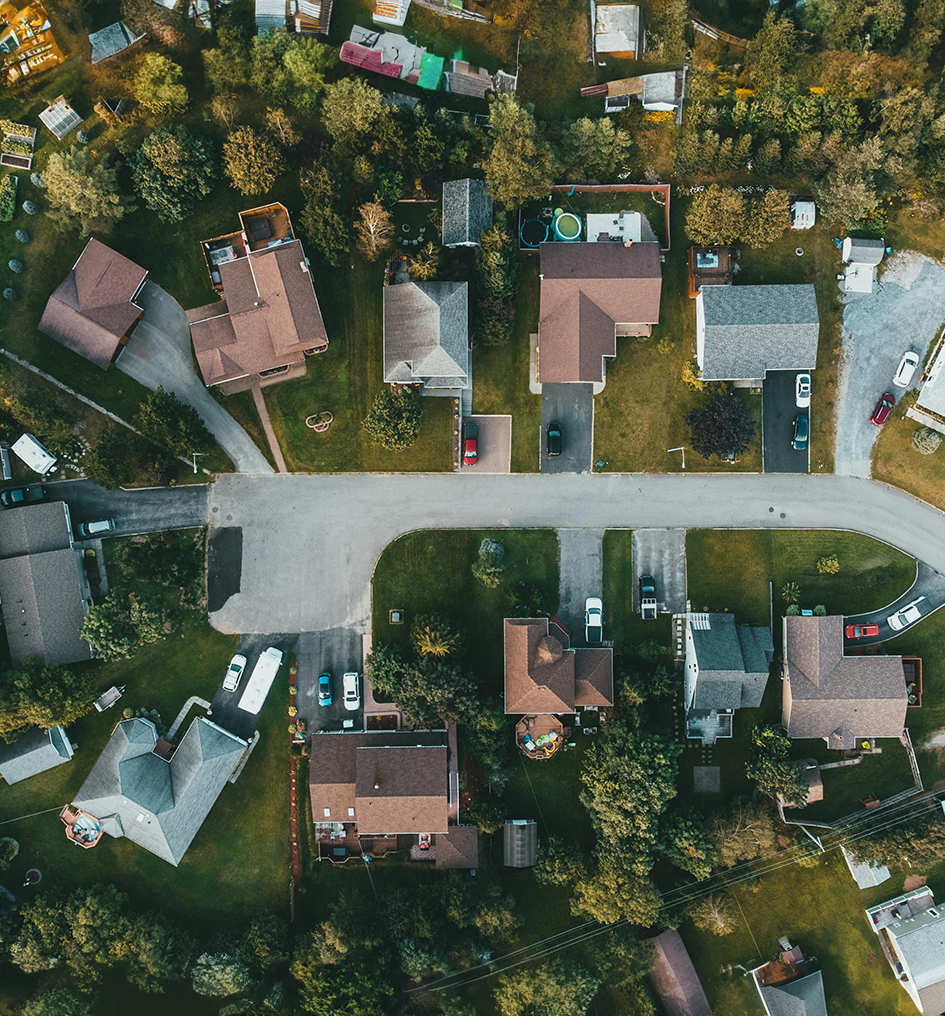
Plan Change 120 reset what's permitted on your section. Before we draw anything, we tell you what the rules now allow — what fits, what doesn't, and whether your idea is worth taking further.

THE NEW RULES

Plan Change 120 changed what your land can become.

In October 2025, Auckland Council made Plan Change 120 operative. The Medium Density Residential Standards no longer apply across the city the way they did from 2022 onwards, and the rules governing what you can build on a residential section have been rewritten.

For some sites that means less is now permitted as of right. For others — particularly those near rapid transit, town centres, and walkable catchments — more is permitted than before. The only way to know which group your section falls into is to check against the rules as they sit today.

We design subdivisions and multi-unit developments against the rules that actually apply right now — not the version your neighbour built under three years ago, and not what you read about online before October.
WHAT WE DESIGN

The subdivision and multi-unit work we take on.

We handle the architectural side of subdivision — site layout, dwelling design, and the drawings your consent and your builder need. Civil engineering, surveying, and planning sit with specialists we coordinate alongside.

Two-Lot Subdivision

Splitting one section into two — typically keeping the existing house and adding a second dwelling, or removing and rebuilding both. The most common subdivision we design.

Minor Dwellings and Granny Flats

A second smaller dwelling on your section — for family, rental income, or future-proofing. Rules around minor dwellings shifted again in January 2026 with the 70m² threshold.

Three-to-Six Unit Developments

Terraced housing, duplexes, and small multi-unit walk-ups. Where the section size and zoning permit, we design these as cohesive developments — not as separate dwellings hastily arranged.

Cross-Lease Conversions

Converting a cross-lease title to freehold, often alongside a redevelopment. Sensitive to neighbour consent and existing dwelling positioning — we work through both.
OUR APPROACH

Feasibility before drawings. Every single time.

Most homeowners we meet have already paid for concept drawings of something that won’t ever get consent. Beautiful sketches of a development the rules don’t permit are an expensive way to learn what your site can take.

So we work the other way around. Before any design work begins, we run a feasibility assessment against the current planning rules — Plan Change 120, the relevant zone, your site’s specific constraints, the overlays that apply, and what your title allows. You’ll see what’s permitted, what triggers resource consent, and what the realistic yield is.

If your site genuinely can’t take what you had in mind, we’ll tell you on day one. Better that than three months and several thousand dollars into drawings that aren’t going anywhere.

If it can take it — and often it can take more than you thought — we’ll show you the typology options that fit, indicative build costs from our delivery partners, and a clear path from here to consent.

THE PROCESS

From feasibility to consent — how a subdivision project actually runs.

Subdivision moves through clear stages. We tell you what's happening at each one, what it costs, and what decision you're being asked to make next.

Step 1

Site and Title Review

We pull your record of title, check the zone under Plan Change 120, identify any overlays — heritage, flood, viewshaft, character — and look at the physical site. Slope, contour, services, access, neighbouring buildings, sun path. The first conversation is honest: is this site genuinely worth developing?

Step 2

Feasibility Report

A written report showing site coverage, building envelope, indicative dwelling positions, realistic yield, and the consent path. We flag what’s permitted as of right and what triggers resource consent. You decide whether to proceed before any concept drawings are commissioned.

Step 3

Concept Design

Site layout, dwelling footprints, indicative elevations, and access arrangement. We work through two or three options against your brief — keeping the existing house or removing it, dwelling typology, position on the section, parking, outdoor space — until you’ve landed on the right scheme.

Step 4

Developed Design and Subconsultants

Cross-sections, material selection, and coordination with the surveyor, civil engineer, structural engineer, and where required a planner. We bring the right specialists in at the right point so nothing gets drawn twice. Geotechnical and stormwater reports are commissioned here.

Step 5

Resource and Building Consent

If your scheme needs resource consent — for breaching a standard, neighbour effects, or earthworks — we prepare and submit it alongside our planner. Building consent applications follow with the full set of drawings, specifications, and producer statements. We deal with the council’s RFIs, not you.

Step 6

Tender and Build Handover

We brief our delivery partners, including Superior Renovations for build execution, and run the tender. You see real prices against the consented drawings — not rough estimates. Once you’ve chosen a builder, the drawings, consents, and producer statements transfer across and construction begins.
THE HONEST PART

What subdivision actually costs — and why we'd rather you knew up front.

Subdivision isn’t a small project. The architectural and consenting side typically costs more than people expect, and the construction side often costs more than they hoped. Both of those numbers vary with site complexity, the typology you’re building, and which council pathway your scheme takes.

What we can tell you up front: feasibility is the cheapest stage you’ll touch. If the numbers don’t work at feasibility, they don’t get better at concept design. They get worse — because by then you’ve spent money on drawings of something the build cost has already invalidated.

So we put the cost conversation early. Not because we want to scare anyone off, but because the alternative — finding out at consent stage that the build is 40% over what you planned — is much harder to recover from.

WHY HOMEOWNERS CHOOSE US

What sets our subdivision work apart.

Current Rules, Not Last Year's

Plan Change 120, the 70m² minor dwelling threshold from January 2026, the H1 insulation update — we design to the rules that apply now. Not the version someone wrote about three years ago.

Feasibility-First

Every subdivision starts with a feasibility report. You know what’s possible before you’ve paid for drawings of something that isn’t.

One Team, End to End

The designer you meet at the first consultation runs your project through to consent. No sales rep, no handoff to a draftsperson you’ve never spoken to.

Licensed Building Practitioners

Our founder John Mao holds a Design Class 2 Licence — the MBIE qualification required to design restricted building work. Every drawing carries that accountability.

Auckland Specialists

Wairau Valley studio, Auckland Council files, and projects right across the city — North Shore, central, west, east, and south. We know what flies in Glendowie and what doesn’t in a Special Character Area.

Build Partner Coordination

We work alongside Superior Renovations and other proven Auckland builders, so the handover from drawings to construction is clean — not a renegotiation of what you thought you were getting.
ACCREDITATIONS AND PARTNERS

The credentials and partners behind every project we consent.

Every drawing we produce carries Licensed Building Practitioner accountability. Every subdivision we design is built with material partners we trust to back their products through the warranty period and beyond.

COMMON QUESTIONS

What homeowners ask before subdividing.

For many sites, yes — sometimes with more flexibility than before. For others, less. The rules that apply now depend on your zone, the overlays on your site, and your proximity to rapid transit or town centres. A feasibility check against the current Auckland Unitary Plan is the only way to know which group your site sits in.

Auckland Council’s planning maps reflect the post-PC120 rules and are the source we work against. We pull yours as part of every feasibility report.

Resource consent is about whether you can build something — does it comply with the planning rules in the Unitary Plan, and if not, will the council allow it anyway. Building consent is about how you build it — does the construction comply with the Building Code.

Many subdivisions need both. Some need only building consent. The feasibility report tells you which pathway your project sits on before you commit to either.

Not always — and not always the most sensible option. Older houses on subdividable sections often constrain the second dwelling’s position, sun access, or site coverage in ways that hurt both dwellings’ resale value.

We model both scenarios at feasibility — keep and add versus remove and rebuild — with the indicative build cost and yield for each. The right answer depends on the existing house’s condition, its position on the site, and the typology you’re aiming at.

From first consultation to building consent issued, most two-lot subdivisions run twelve to eighteen months. Larger multi-unit schemes run longer, particularly where resource consent is non-notified or where civil works are substantial.

Council processing time is set by statute — twenty working days for most consents — but RFIs (requests for further information) extend that. We design to minimise RFIs at the drawing stage, which is the lever we actually control.

We coordinate them — but a licensed surveyor and a chartered civil engineer do the work itself. Subdivision involves a lot of moving parts: surveying, planning, civil, structural, geotechnical, architectural. We act as the central point and bring the right specialists in at the right stage, so nothing’s drawn twice or commissioned at the wrong time.

Yes — at indicative level. Real fixed prices come from a builder against consented drawings, but we’ll give you a realistic per-square-metre range from our delivery partners at feasibility and concept stage. That’s enough for you to make a go/no-go call before the larger fees kick in.

For a binding price, we run a tender against the full construction drawings with builders we’ve worked with, including Superior Renovations.

It usually means resource consent, sometimes notified, and additional design constraints — but not necessarily a dead end. Special Character Areas in particular have rules that can be worked with if the design respects what the overlay protects. We’ve consented projects in Special Character Areas, viewshafts, and flood-prone catchments. The feasibility report will flag every overlay that applies to your site and what each one means in practice.

No — our work is Auckland-only. The reason is honest: planning rules and council processes vary enough between councils that being deeply familiar with Auckland’s is what we trade on. We’d rather do that one thing well than spread thin.

BOOK CONSULTATION

Let's begin with having a conversation.

    First Name *

    Last Name *

    Mobile Number *

    Email *

    Address *

    Message

    All the fields are required. By sending the form you agree to the Terms & Conditions and Privacy Policy