
Sleepouts in NZ: What Needs a Consent and What Doesn’t
Quick answer: In NZ you can usually build a sleepout without a building consent if it’s no bigger than 30m², has no kitchen, bathroom or water supply, and a Licensed Building Practitioner designs or supervises anything over 10m². Cross any of those lines and the rules change.
There’s a tool the government runs called Can I Build It? Type in “sleepout” and it gives you a yes or a no on whether you need a consent. Useful. But it won’t tell you why the answer flips, what the council still cares about even when you’re exempt, or the one change that quietly turns your backyard room into something the law treats as a second house.
That last one catches people out more than anything else. A homeowner in Glenfield adds a sink, a hob and a little shower to their “consent-free” sleepout, and without realising it, they’ve built a minor dwelling — which needed a building consent, and possibly resource consent too. The build was fine. The paperwork that should have come first wasn’t there.
A sleepout is one of the cheapest, fastest ways to add usable space to an Auckland property — but only if you stay inside the rules that keep it consent-free. Get a teenager out from underfoot, set up a proper home office, give guests somewhere to land. The appeal is obvious. The regulations behind it are less obvious, and they shifted again in October 2025.
We’re Sonder Architecture, an Auckland studio with a Licensed Building Practitioner (LBP) in the Design Class on the team — the qualification that lets a sleepout between 10 and 30m² be built without a building consent at all. What follows is the rulebook in plain English, including the parts the government tool leaves out.
What Counts as a Sleepout — and the Line It Can’t Cross
Before you can work out whether you need a consent, you need to know what the council actually means by “sleepout”. The word gets used loosely. The law isn’t loose at all.
The plain-English definition
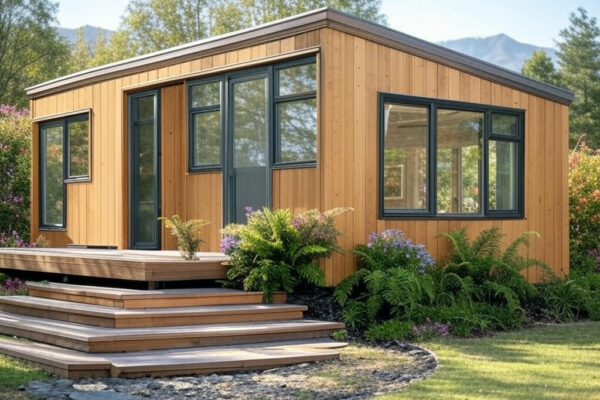
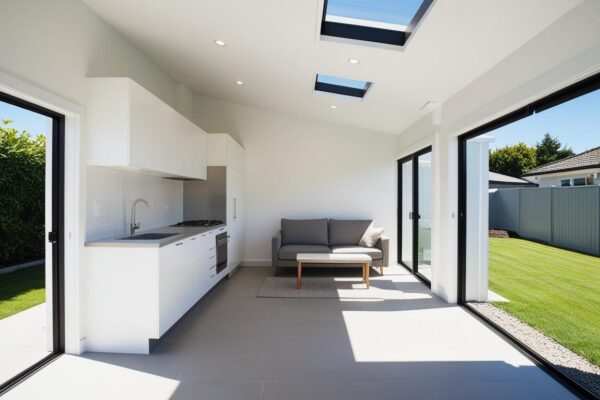
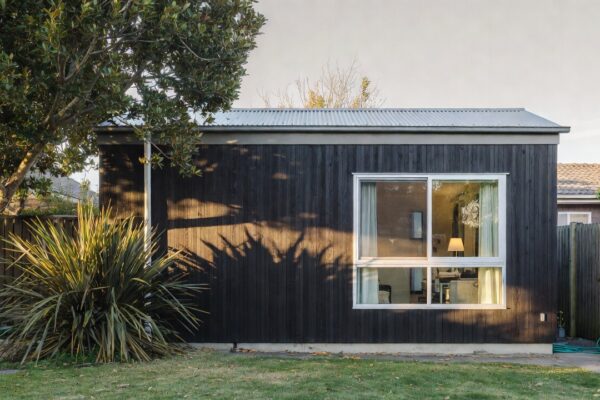
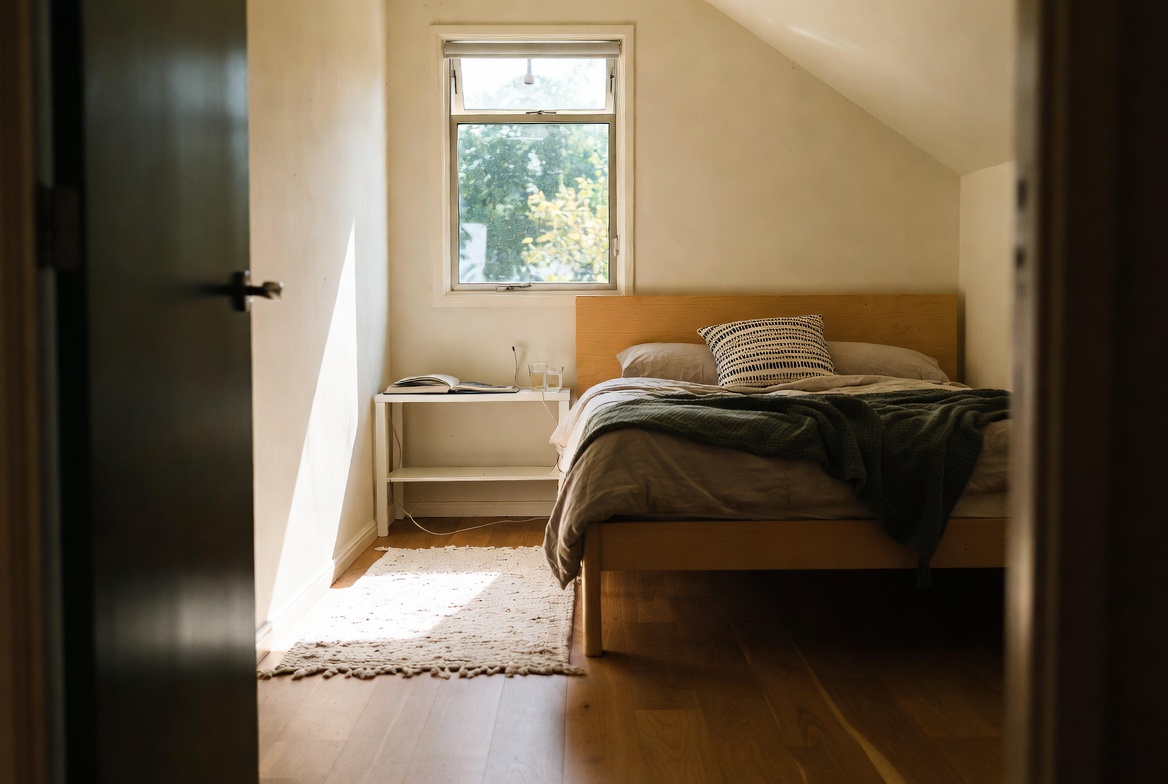
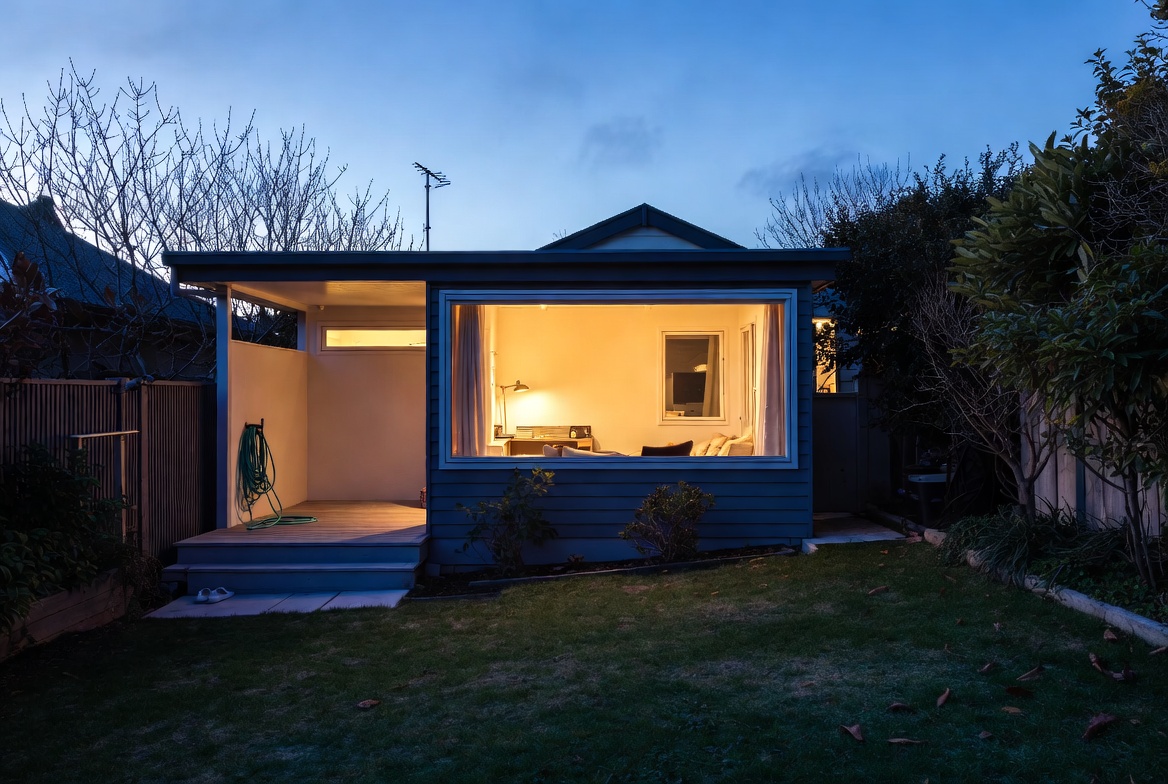
A sleepout is a small, detached building on the same site as your house that gives you extra room — a bedroom, an office, a hobby space — but has no cooking facilities, no bathroom, and no drinking water supply of its own. Councils sometimes call it an “accessory building”. The key idea is that it leans on the main house. The people using it still walk back inside to cook dinner and use the bathroom.
That dependence is deliberate. It’s the whole reason a sleepout can skip the consent process that a standalone home can’t. MBIE’s guidance is blunt about it: a sleepout has to be used “in connection with” a dwelling on the same section, so the occupants have somewhere to cook and wash. Build the same structure on a bare section with no house on it, and it needs a consent — because now it’s the only building there, and it has to stand on its own.
The line it can’t cross
Here’s the part the kitset ads gloss over. The moment your sleepout gets a kitchen and a bathroom and its own water supply, it stops being a sleepout in the eyes of the law. It becomes a self-contained minor dwelling — what most people call a granny flat — and that’s a different consent pathway entirely.
Think of it like a flat versus a spare room. A spare room shares the house’s plumbing and kitchen. A flat has its own. The instant your backyard building can function as a complete, independent home, the council treats it as one — and a minor dwelling almost always needs a building consent, and often resource consent as well.
This isn’t a technicality. It’s the single biggest reason backyard projects go sideways. If a self-contained second unit is what you’re actually after, that’s a worthwhile goal — but plan it as a granny flat or minor dwelling from day one, not as a sleepout you’ll “add a bathroom to later”.
Important: A toilet alone is a grey area that varies by situation, but a kitchen plus bathroom plus plumbed water takes you out of sleepout territory — into either the Schedule 1A granny flat exemption (since 15 January 2026, a standalone dwelling of up to 70m² including kitchen and bathroom can be built without consent, with LBP carriage or supervision, council notification and a PIM) or a consented minor dwelling. Confirm your specific plan against Auckland Council’s sleepout and cabin guidance before you commit.
💡 Homeowner tip: Decide what you really need before you shop. “Somewhere quiet for the teenager” is a sleepout. “A rentable unit with its own kitchen and shower” is a minor dwelling. Naming it correctly upfront saves you from building the wrong thing.
Get the definition right, and which route you take comes down mostly to one thing: size.
The Three Ways to Build a Sleepout Without a Building Consent
A building consent is the council’s formal sign-off that your construction work meets the New Zealand Building Code (NZBC) — the national rulebook for how a building has to perform. Schedule 1 of the Building Act 2004 lists the work you’re allowed to do without that sign-off, and sleepouts have their own exemptions. There are three practical routes through it.
Route one: under 10m² — the DIY route
A detached building under 10m² in floor area can be built without a building consent and without any professional involvement required. No LBP, no engineer. This is the genuinely DIY-friendly option — a 3m x 3m office pod, a single guest room.
It still has to meet the Building Code, and there are limits: single storey, the floor no more than 1 metre above the ground, and the roof apex no more than 3.5 metres above the floor. One trap worth knowing — if you tuck a mezzanine or loft into it that sits more than a metre off the ground, you’ve triggered a consent. The size sounds generous until you start drawing it.
The October 2025 change made this route easier. Under amendments to Schedule 1 that took effect on 23 October 2025, the old “set it back from the boundary by at least its own height” rule was scrapped for buildings under 10m². You can now build right up to the boundary, as far as the building consent rules are concerned. (Hold that thought — the Unitary Plan may still have a view, which we’ll get to.)
Route two: 10m² to 30m² — the LBP route
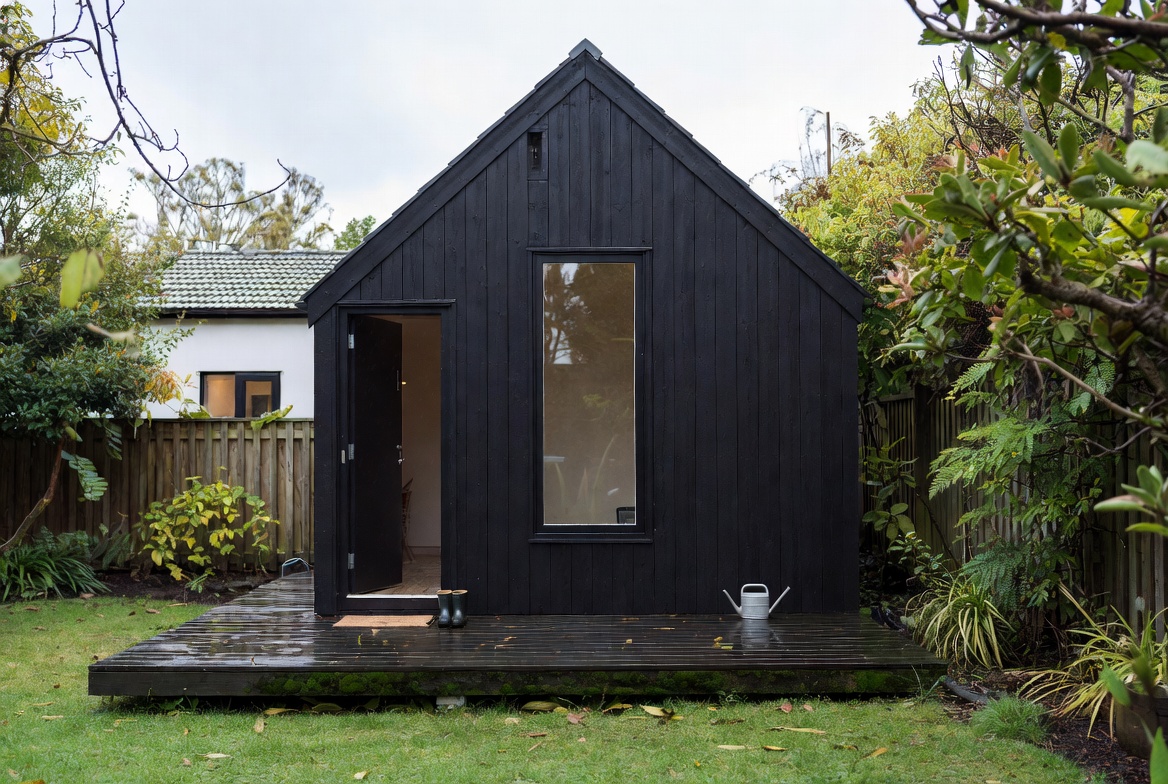
This is the one most people actually want, because 10m² is tight. A sleepout between 10 and 30m² can be built without a building consent if a Licensed Building Practitioner carries out or supervises the design and construction.
An LBP is a tradesperson or designer certified by the Building Practitioners Board to do — or oversee — Restricted Building Work (RBW), which is the structural and weathertightness work that has to be done by someone qualified. An LBP in the Design Class, like the one on our team at Sonder, can design the sleepout to Building Code standard so it qualifies for the exemption. That’s not a sales pitch; it’s literally the mechanism the legislation uses. The professional standing in for the council is what lets you skip the council.
Conditions still apply: same single-storey and height limits as above, smoke alarms installed, and since October 2025 a fixed 1-metre setback from boundaries and other buildings (down from the old own-height rule). Get those right and a 28m² studio in a Remuera backyard can go up without a building consent at all.
Route three: 10m² to 30m² — the engineered kitset route
You can also build a 10–30m² sleepout consent-free using a kitset or prefabricated building, as long as the supplier had the design produced or reviewed by a Chartered Professional Engineer (CPEng). This is how most of the flat-pack cabin companies operate — the engineering sign-off is baked into the product.
It’s a clean option if the design suits your site as-is. The catch is fit. A kitset is drawn for a generic flat section, not for your sloping Titirangi site or your awkward side return in Grey Lynn. Confirm the supplier actually holds the CPEng design review before you pay a deposit — and check the kitset’s footings and bracing suit your ground, because that’s where a generic design and a real Auckland section often part ways.
💡 Homeowner tip: Over 30m² the sleepout exemption ends — though since 15 January 2026, the separate Schedule 1A granny flat exemption covers standalone dwellings of up to 70m² (kitchen and bathroom included) under its own conditions. So if you’re hovering around 28–32m², the design work to keep it under 30m² usually pays for itself in saved consent fees and months of waiting.
For the wider picture of what else you can build on your section without a consent — sheds, carports, decks, the lot — see our guide to what you can build without a building consent. The sleepout rules sit inside that bigger Schedule 1 framework.
Exempt From a Building Consent Isn’t Exempt From Everything
This is the gap the Can I Build It tool leaves wide open. A building consent is only one of two consents your sleepout might need — and dodging the first does nothing to dodge the second.
Building consent versus resource consent
Two different things, often confused. A building consent is about the construction itself — is the building safe, weathertight, code-compliant. A resource consent is about land use — does what you’re doing fit the rules for your zone, your boundaries, your neighbourhood. Think of building consent as “is it built right” and resource consent as “are you allowed to put it there”.
A sleepout can be fully exempt from a building consent and still need a resource consent. The two are decided under different laws — building consent under the Building Act, resource consent under the Resource Management Act 1991 (RMA), the law that governs how land gets used. Clearing one says nothing about the other.
The Auckland Unitary Plan still has a say
The Auckland Unitary Plan is the single rulebook that sets zoning and development rules across the whole city. Even a consent-free build has to obey it. The big three to watch are site coverage, height in relation to boundary, and yard setbacks.
Site coverage is the share of your section you’re allowed to cover with buildings. Add a sleepout and you might tip over the limit — especially on a smaller suburban section that’s already got a decent-sized house on it. Height in relation to boundary (sometimes called a recession plane) is an invisible angled line rising from your boundaries that your building can’t poke through; it stops you shading the neighbours. And here’s the sting in that October 2025 setback change — it might be allowed right on the boundary under the building rules, but the Unitary Plan’s yard setbacks can still force it further in. The building consent exemption and the planning rules are two separate gates, and you have to clear both.
Heritage, character and flood overlays
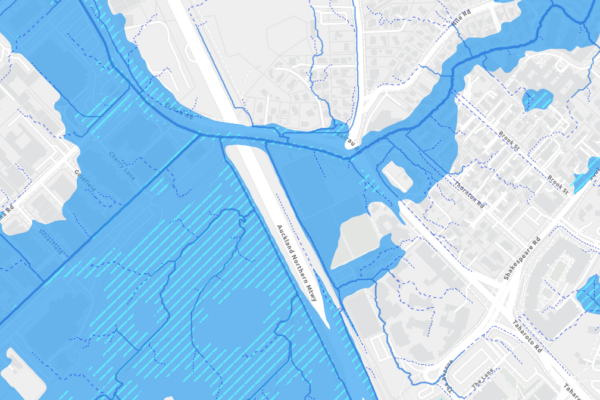
Some Auckland properties carry extra layers of rules. If you’re in a Special Character Area or under a heritage overlay — common across Ponsonby, Grey Lynn, Mt Eden and Parnell — even a modest backyard structure can trigger a resource consent because of how it affects the character of the area. Flood-prone sites and overland flow paths add their own constraints. A heritage overlay is a planning rule that protects historic buildings or streetscapes, and it doesn’t care that your sleepout is small.
Important: Before you assume your build is a free-for-all, check your property’s zone and overlays on the Auckland Council GeoMaps viewer, or get someone to read it for you. The building consent exemption is genuine — but it’s not the only rule in the room. For the full consent picture, our guide to building consents in NZ walks through both consent types.
Put it on the record
One last thing that saves grief later. Even when your sleepout is exempt, you can lodge a record of the exempt building work with Auckland Council so it goes on your property file.
💡 Homeowner tip: When you sell, the buyer’s solicitor checks the council’s records on your property. A structure that just appeared with no paper trail raises questions and can stall a sale. A recorded exempt-work note answers them before they’re asked.
What a Sleepout Costs — and When to Get a Designer In
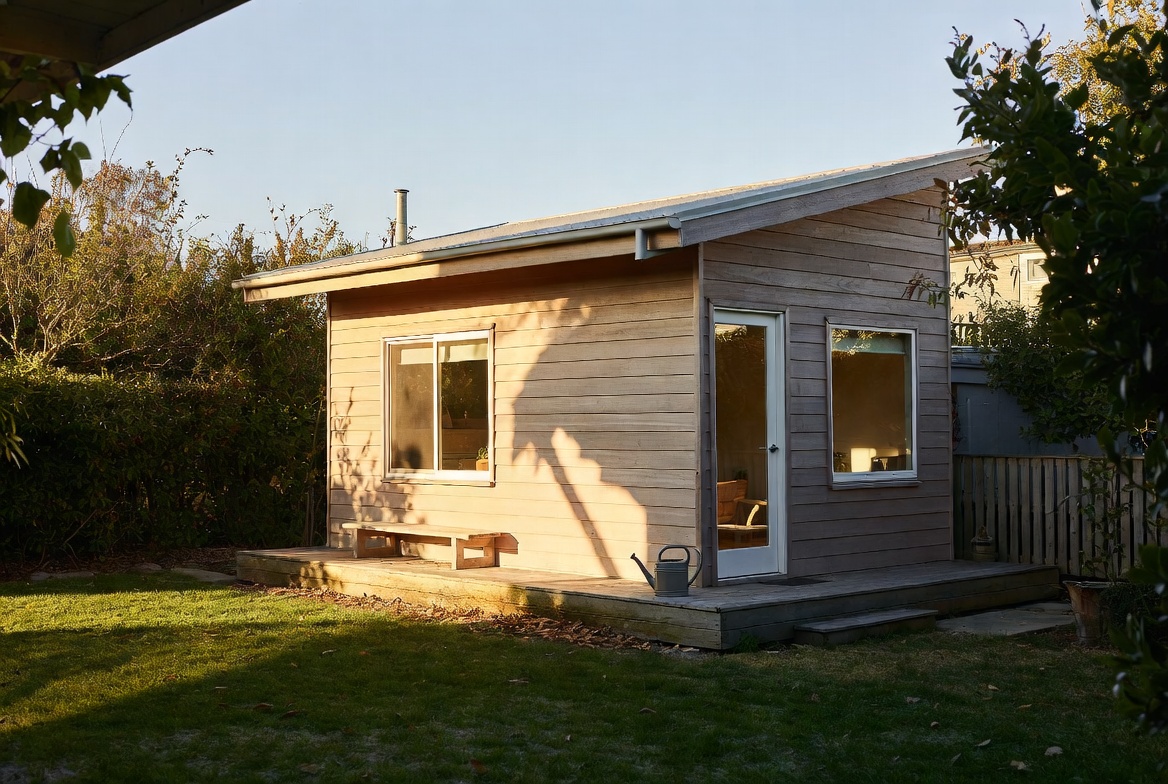
Cost is the question that decides most of these projects. As a rough guide, a sleepout in NZ lands somewhere between $15,000 and $90,000 depending on size, finish, and how close it gets to the consent line. The figures below are illustrative ranges drawn from NZ kitset suppliers and build-cost guides — every site and spec is different, so treat them as a starting point, not a quote.
Kitset versus built on site
| Option | Indicative cost (NZD, GST incl) | Notes |
|---|---|---|
| 10m² insulated kitset shell | ~$10,000–$22,000 | Power points, basic lining; you finish the rest |
| 14–20m² kitset, basic fit-out | ~$25,000–$60,000 | Lined and liveable, no plumbing |
| Built on site (designed) | ~$2,100–$2,500+ per m² | Base build rate; excludes site works and connections |
| Crosses the line: cabin with bathroom + kitchenette | ~$55,000–$120,000 | No longer a sleepout — a minor dwelling, consent required |
A kitset shell is the cheapest way in. The price climbs steeply the moment you add lining, insulation, joinery and a deck — and it leaps again if you cross into plumbing. That bottom row of the table is the cost of crossing the line: those bathroom-and-kitchenette cabins look like sleepouts in the brochure, but they’re minor dwellings, and the consent they need is part of why they cost what they do.
Where the money quietly goes
The shell price is rarely the real number. Site works on a sloping section, foundations on Auckland’s clay soils, getting power and connections out to the building, a deck to make it usable — these add up fast and the kitset ads tend to leave them out. A flat backyard in Flat Bush is one thing. A tight, sloping site in Titirangi with crane access issues is another.
When a designer earns the fee
Plenty of sleepouts don’t need a designer at all — a small kitset on a flat, roomy section is genuinely straightforward. But there are jobs where design work pays for itself several times over: tight urban sections where site coverage or recession planes are in play, sloping or awkward sites, heritage and character areas, and any sleepout you might want to convert into a minor dwelling down the track.
That last point matters. Designing now with a future conversion in mind — leaving room for services, getting the orientation and structure right — is far cheaper than retrofitting later. This is where working with an LBP in the Design Class does the heavy lifting: we can design a 10–30m² sleepout that’s consent-free today and sensibly placed for whatever you build next. If you’d rather repurpose what you’ve already got, a garage conversion can be a cheaper route to the same extra room. And when it comes time to build, our build partner Superior Renovations can take the design through to a finished space.
💡 Homeowner tip: A backyard room an Auckland agent can point to as a home office or guest studio can add real resale appeal — some estimates put the value lift well into five figures. Build it well, record it properly, and it works for you twice: now, and at sale.
The Short Version
A sleepout is one of the simplest ways to add real, usable space to an Auckland property — extra room without the cost and wait of a full build. Stay under 30m², keep the kitchen, bathroom and plumbed water out of it, get an LBP onto anything over 10m², and check the Unitary Plan as carefully as you check the building rules. Do that, and you’ve added a proper room to your home without a single consent form.
Not sure which side of the line your idea sits on, or whether your section’s overlays will bite? That’s exactly what a quick feasibility check is for — better to know now than after the slab’s poured.
➡ Book a free consultation with Sonder Architecture
➡ Request your free feasibility report
➡ Thinking bigger? See our granny flat & minor dwelling design
Do I need a building consent for a sleepout in NZ?
Not always. A sleepout under 10m² can be built without a building consent and without professional involvement. Between 10 and 30m², it's consent-free if a Licensed Building Practitioner (LBP) designs or supervises it, or if it's a kitset with a Chartered Professional Engineer's design sign-off. In every case it must have no kitchen, bathroom or water supply, sit on a section with a house already on it, and still meet the Building Code.
How big can a sleepout be without consent?
Up to 30m² of floor area. Under 10m² you can build it yourself with no professional required. Between 10 and 30m² you need an LBP to design or supervise the work, or an engineered kitset. Over 30m² the sleepout exemption itself ends — from there, either the Schedule 1A granny flat exemption (standalone dwellings up to 70m², conditions apply) or a full building consent is the pathway. It must also be single storey, with the floor no more than 1m above the ground and the roof apex no more than 3.5m above the floor.
Can a sleepout have a bathroom?
A full bathroom is the line that turns a sleepout into something else. A sleepout can't have a plumbed bathroom, a kitchen, or its own drinking water supply and stay consent-free. A toilet on its own is a grey area that depends on the situation, but add a shower and kitchen and you've built a self-contained minor dwelling, which needs a building consent and often resource consent too. Check your specific plan with Auckland Council before committing.
Can a sleepout have a kitchen?
No — not if you want it to stay consent-free. A kitchen is one of the features that legally separates a sleepout from a minor dwelling. The whole point of a sleepout is that it relies on the main house for cooking and washing. The moment it can function as an independent home with its own kitchen, the council treats it as a minor dwelling, which is a full consent pathway.
What's the difference between a sleepout and a granny flat?
A sleepout is extra room — a bedroom, office or studio — with no kitchen, bathroom or water supply, used in connection with the main house. A granny flat (the council calls it a minor dwelling) is fully self-contained: its own kitchen, bathroom and services, able to function as a separate home. The difference is more than size — it decides which consents you need. A sleepout can be consent-free; a minor dwelling almost always needs a building consent.
How close to the boundary can I build a sleepout?
The building consent rules changed on 23 October 2025. A sleepout under 10m² no longer has a setback requirement under those rules — it can go right up to the boundary. Between 10 and 30m², a fixed 1-metre setback applies. But the Auckland Unitary Plan has its own yard and boundary rules that still apply, so even if the building rules allow it, the planning rules may force the sleepout further in. Always check both.
Do I need an LBP to build a sleepout?
Only for sleepouts between 10 and 30m². Under 10m², no LBP is required. For 10–30m², a Licensed Building Practitioner must carry out or supervise the design and construction for it to be consent-free — or you use an engineered kitset whose design has been signed off by a Chartered Professional Engineer. The LBP is the qualified person whose involvement lets you skip the building consent.
Can someone live in a sleepout permanently?
A sleepout is meant for sleeping and living space that's used alongside the main house, not as a separate, permanent, self-contained home. Because it has no kitchen or bathroom, the occupants rely on the main dwelling for those. Using it as a fully independent rental unit moves it into minor-dwelling territory, which has different consent and Healthy Homes obligations. If a self-contained rental is your goal, plan it as a minor dwelling from the start.
Does a consent-free sleepout still have to meet the Building Code?
Yes. Skipping the building consent doesn't mean skipping the standards. A consent-free sleepout must still comply with the New Zealand Building Code for things like structure, weathertightness, and durability. The exemption removes the council sign-off step — it doesn't lower the bar the building has to meet. That's exactly why the 10–30m² routes require an LBP or a Chartered Professional Engineer's design.
How long does it take to design and build a sleepout?
A simple kitset on a flat section can be up in a matter of weeks once it's on site. A designed, built-on-site sleepout takes longer — typically a few weeks of design, then construction. Because a consent-free sleepout skips the council's processing time (a building consent in Auckland usually takes around 20 working days, and longer if resource consent is involved), staying inside the exemption can save you a couple of months on the timeline.