Last updated:
Cross-Lease vs Freehold: What Converting Actually Gives You
Quick answer: With a freehold (fee simple) title you own your land outright and can renovate or develop with only council approval. On a cross-lease you share the land and need every co-owner’s consent to change your building’s footprint — which is why the cross-lease vs freehold question decides what you can build and what your home is worth.
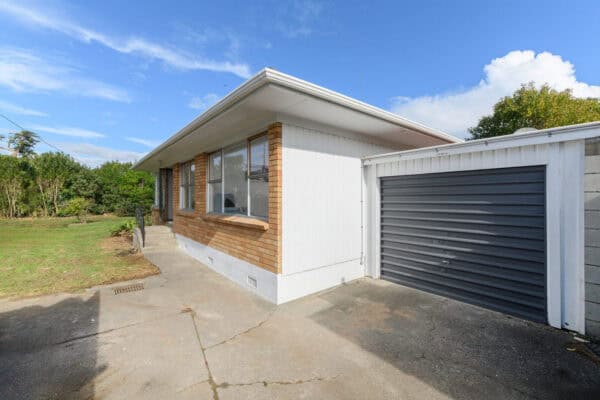
You’ve found the house. A 1970s brick-and-tile on the North Shore, good bones, a backyard made for a deck and a sunnier kitchen out the back. Then your lawyer says the word that changes everything: cross-lease.
Suddenly the rear extension you’d pictured isn’t only a council question. It’s a question for your neighbours too. The cross-lease vs freehold distinction matters because your title type decides what you can build, who has to say yes before you start, and how much your home is worth when you sell. A cross-lease (where you co-own the land with the other flat owners and “lease” your own house from the group) carries restrictions a freehold title simply doesn’t.
Here’s the part most guides skip. The interesting question usually isn’t “what’s the difference” — it’s “I want to do something to this house, so what do I actually need to do about the title?” And the honest answer is sometimes a full freehold conversion, sometimes just a cheaper plan update, and sometimes nothing at all.
We’ll be straight with you about one thing up front. Sonder Architecture designs the work — we don’t do the legal conversion itself. Converting a cross-lease to freehold is a job for a licensed surveyor and a property lawyer. What we do is the part that comes first and matters most: working out whether your site can take what you want to build, before you spend a dollar converting anything. Get that order wrong and you can pay for a conversion that doesn’t get you the home you wanted.
This is a guide for the homeowner who’s mid-plan and just hit the title wall. What follows: what these two title types really mean, the one restriction that trips everyone up, the convert-or-update decision, and how to find out what your section can take.
 Shared access
 Exclusive use
Cross-Lease vs Freehold: What Each Title Actually Means
Start with the words, because they’re doing more work than they look.
Freehold — also called fee simple — is the most complete form of ownership in New Zealand: you own the land and everything on it. Subject to council rules, you decide what gets built. No co-owners, no shared land, no permission slip from next door. It’s the title most people picture when they think “I own my home,” and it’s why freehold tends to be the simplest type for banks to lend against and for buyers to understand.
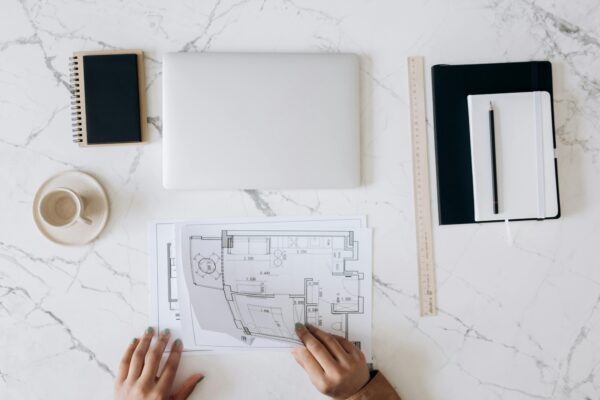
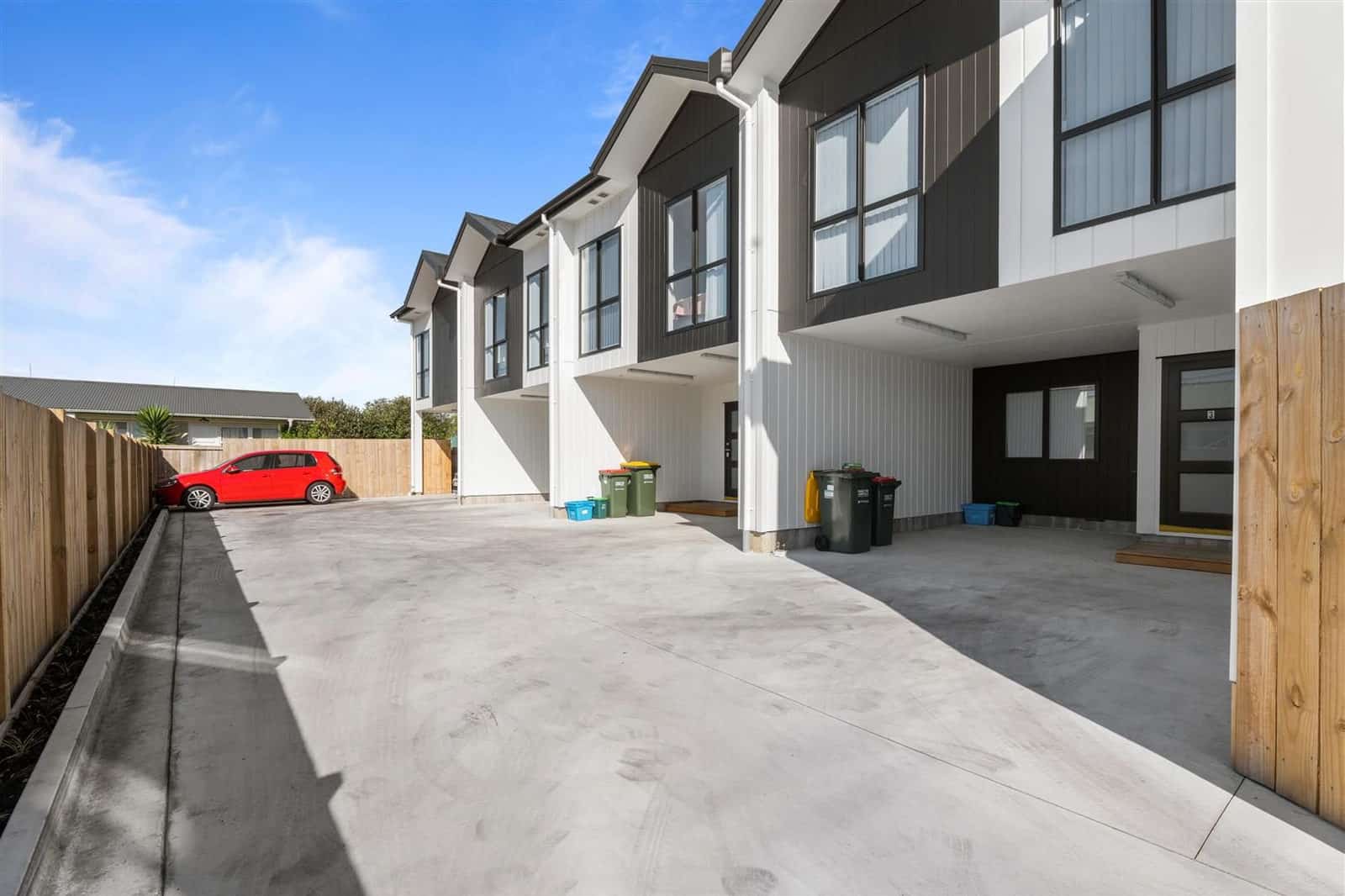
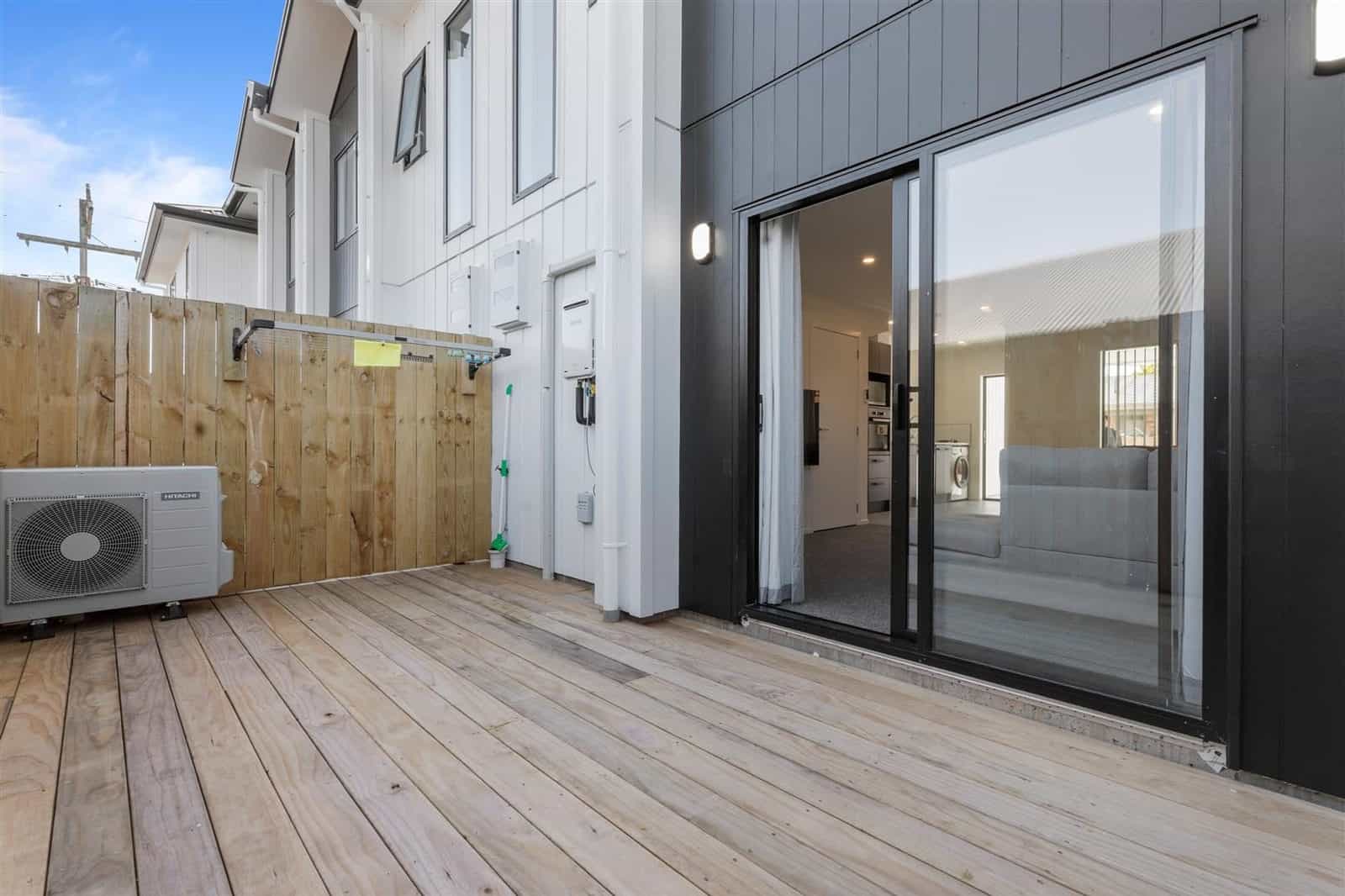
A cross-lease is a different animal. Under a cross-lease you own a share of the whole section together with the other owners, and you hold a long lease — usually 999 years — over your particular house and its footprint. So if there are two flats on the section, you typically own a half-share of the land and lease your dwelling from the group (which includes yourself). The thing that defines your patch is a document called the flats plan — a surveyed drawing, held by Land Information New Zealand (LINZ), that shows the outline of each building and any exclusive-use areas like a courtyard or a driveway.
Why so many Auckland homes are cross-lease
Cross-leases aren’t an accident of bad luck — they were a clever workaround. From the 1960s through the 1990s, lawyers used them to get two or three homes onto one section without going through the full, expensive council subdivision process. Then the Resource Management Act 1991 (the law that governs how land can be used and developed in NZ) and later court decisions treated the practice as subdivision anyway, and the workaround closed.
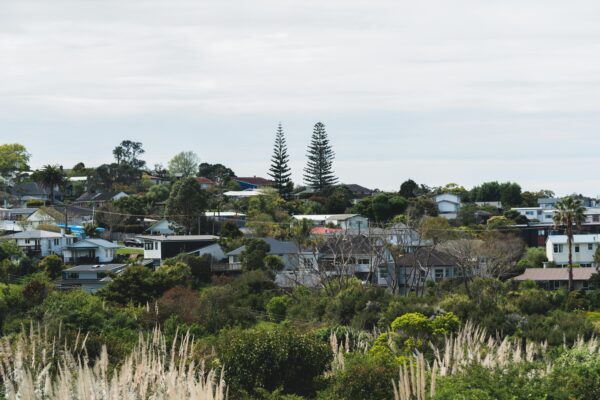
The result is a huge legacy of cross-lease homes — by widely cited LINZ figures, roughly 100,000 of New Zealand’s cross-lease titles sit in Auckland, many of them on the North Shore. No new ones get created today, so every cross-lease you’ll meet is older housing stock — the brick-and-tile units, the 60s and 70s flats, the do-ups in established suburbs.
💡 Homeowner tip: Before you fall for a house, ask your lawyer to pull the Record of Title and the flats plan. Walk the property with the plan in hand. If a garage, deck or room exists on the ground that isn’t on the plan, you’ve found a problem worth knowing about before you sign — not after.
Does cross-lease really sell for less?
Usually, yes — though by how much is genuinely contested. Estimates of the cross-lease “discount” against an equivalent freehold home range widely, commonly quoted somewhere between 5% and 15%, with some Auckland conversions reporting larger gains. The reasons behind the gap are easier to pin down than the number: a smaller buyer pool, tighter lending in some cases, and the hassle factor of needing your neighbours on board for changes.
That gap is exactly why some buyers actively hunt for a cross-lease with conversion potential — it’s a way to manufacture equity. But value is only half the story, and frankly the less interesting half if you actually want to build something. The bigger issue is what the title stops you doing. If you’re weighing up a project on this kind of section, our subdivision and multi-unit design work starts with exactly that question.
The Real Catch: What a Cross-Lease Stops You Doing
Here’s where the title type stops being trivia and starts costing you sleep.
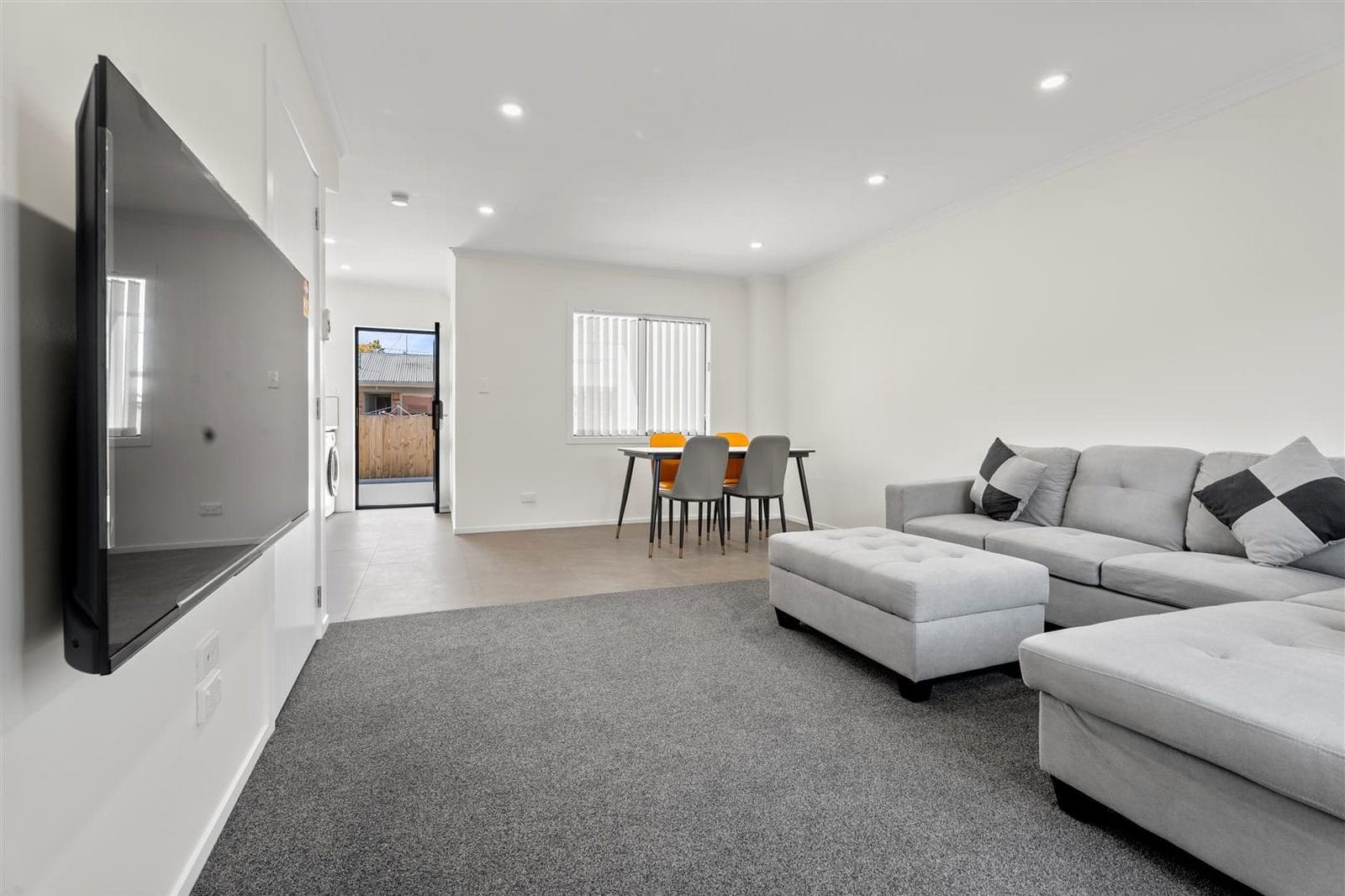
On a cross-lease, any change to the external footprint of your building needs the written consent of every other owner on the title. A rear extension. A new deck beyond the existing line. A carport. A conservatory. Even, in some cases, pushing a wall out to fit a bigger kitchen. The flats plan shows what’s there now, and the legal deal is that what’s on the ground must match what’s on the plan. The moment your build changes that outline, you need both your neighbours’ sign-off and an updated plan.
Internal work is different. Renovating a kitchen or bathroom inside the existing walls generally doesn’t need co-owner consent, as long as you’re not changing the building’s external dimensions. Rip out the kitchen, move an internal wall that isn’t load-bearing, redo the bathroom — that’s yours to do (subject to the usual building consent rules). It’s the outline that triggers the neighbour problem.
Defective titles: the trap hiding in plain sight
This is where a lot of cross-lease owners get caught out. If a previous owner added a garage, extended a deck or enclosed a porch without updating the flats plan, the title becomes “defective” — the physical house no longer matches the registered plan. A defective title can make a property harder to refinance and harder to sell, and it’s something a sharp buyer’s lawyer will spot during due diligence.
Picture a tidy 1960s flat in Mt Albert. The current owner added a sunroom off the back in 2008, got a building consent, even has the code compliance certificate. Looks sorted. But nobody updated the flats plan with LINZ — so on paper the title is defective, and that quietly sat there for fifteen years until they tried to sell. Sound familiar? It’s more common than you’d think.
The 2026 law change that tilted things toward owners
For about thirty years, a neighbour could block your alteration fairly easily. The leading case, Smallfield v Brown (1992), was read to mean consent could only be called “unreasonably withheld” where your change brought a big benefit to you and only “trifling detriment” to the neighbour. A low bar to refuse, in other words.
That’s changed. In April 2026 the Court of Appeal, in Liow v Martelli, confirmed that the old “trifling detriment” test is wrong in law — the question now is simply whether a reasonable owner, weighing everyone’s interests, could withhold consent. The case ran from a Remuera dispute over a proposed extension, pool and deck, through the High Court and up to the Court of Appeal. For owners who want to alter or develop, it’s a meaningful shift: a neighbour can no longer lean on a technical test to say no to a reasonable, well-designed extension. It doesn’t make consent automatic — building up to block a sea view is still likely to be unreasonable to propose — but it moves the goalposts in your favour.
Important: Cross-lease consent is a legal question, not a design one — get a property lawyer’s read on your specific lease and the current law (Liow v Martelli [2026] NZCA 101, via the Courts of New Zealand). What we can do at the design stage is make the application reasonable: a well-resolved scheme that demonstrably doesn’t harm your neighbour is far easier to get consent for than a rough sketch.
If your project is a garage becoming a habitable room, the cross-lease catch is one of the first things to check — we cover it in our guide to garage conversion costs in Auckland. And if you’re thinking about a second dwelling rather than an extension, the title rules matter even more, which brings us to the decision most owners get wrong.
Convert to Freehold, or Just Update the Flats Plan?
This is the decision that saves — or wastes — real money. And it’s the one almost no buyer guide explains properly, because most of them are written to sell you a full conversion.
There are two different jobs people lump together. They cost different amounts and they leave you in different places.
Option one: update the flats plan
A flats-plan update simply re-surveys your building’s new outline and registers it, so your title matches reality again. You’d do this when you’ve made (or want to make) a change to the footprint and need the plan to catch up — fixing a defective title, or recording your new extension. You still get your neighbours’ consent, a surveyor measures the as-built shape, the change goes through council, and the updated plan is lodged with LINZ. You stay on a cross-lease afterwards. The restriction doesn’t go away — next time you alter the footprint, you’re back doing it again.
Option two: convert to freehold (fee simple)
Converting to freehold is a subdivision — it splits the shared land into separate fee simple titles, one per owner, and removes the cross-lease restriction for good. Because it’s a subdivision, it needs a resource consent from Auckland Council (resource consent is the council’s permission for how land is used and divided — different from a building consent, which is permission to do the physical construction). It needs unanimous agreement from every owner on the title, a licensed surveyor, sometimes physical works like separate water connections, and a property lawyer to register the new titles with LINZ. It costs more and takes longer than a plan update — but when it’s done, you own your land outright.
So which one? It comes down to what you’re actually trying to do.
| Path | Roughly what it costs* | Roughly how long* | What you end up with |
|---|---|---|---|
| Flats-plan update | The cheaper of the two — a survey plus registration. | Shorter — driven by survey, council and LINZ timing | Still a cross-lease; title matches reality; restriction stays |
| Convert to freehold | More — published surveyor estimates commonly fall in the tens of thousands, split between owners. | Longer — commonly several months to over a year | Separate freehold title; no co-owner consent needed for future work |
*Costs and timeframes vary widely by site, number of owners, and whether physical works are required. Treat these as direction, not quotes — your surveyor and lawyer give the real numbers.
If you want to do one extension and you’ve got cooperative neighbours, a flats-plan update is often enough. If you plan to keep developing — a future minor dwelling, then a second-storey addition down the track — or you simply want the restriction gone and the value gap closed before selling, freehold is usually worth the bigger spend. And if your neighbours are difficult, or there’s already a defective title in the mix, that pushes harder toward sorting the title properly rather than patching it.
💡 Homeowner tip: Don’t decide convert-vs-update in isolation. Decide it against your actual building plans. The cheapest path on paper is the wrong one if it leaves you needing a second process in two years’ time.
There’s a deeper version of this you should know about. Converting to freehold can also be the step that makes higher-density development possible — if your zone allows more homes, getting off the shared title can be what lets you act on it. That overlaps directly with full subdivision, which we cover in our guide to subdividing land in Auckland. Which raises the question that should really come first.
Feasibility First: What Your Section Can Actually Take
Here’s the order we wish every cross-lease owner knew before they rang a surveyor.
Converting your title doesn’t create development potential — it only frees you to act on potential that’s already there in the planning rules. A freehold title on a section that can’t take a second dwelling gets you a freehold title, full stop. The thing that decides what you can build is the zoning and the site, not the title. So the smart first move is to find out what your section allows, then decide whether the conversion is worth it.
What the planning rules say you can build
In Auckland, what’s possible turns on your zone under the Unitary Plan (the single rulebook covering all of Auckland) and the 2026 density framework, Plan Change 120 (PC120), which replaced the earlier medium-density rules. We’ve written a plain-English explainer on what PC120 means for your property, because the answer genuinely changed in late 2025. Depending on your zone, you may be able to put more than one dwelling on the section — and that’s often the real prize behind a conversion, not the title tidy-up itself.
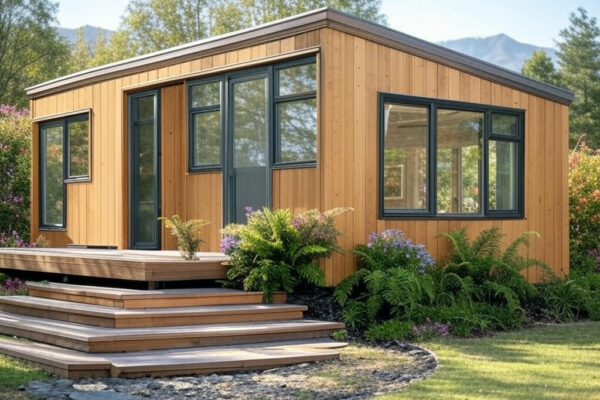
Then there’s the minor dwelling route. The granny-flat exemption now lets qualifying small stand-alone dwellings up to 70m² be built without a building consent in many cases — though zone rules, overlays and your title still apply. For a lot of cross-lease owners, a freehold conversion plus a small second dwelling is the project. We cover the design side in our guide to granny flat design in NZ and through our minor dwelling design service.
The site constraints that quietly decide everything
Zoning tells you the headline. The site tells you the truth. Height in relation to boundary (recession planes that limit how tall you can build near a fence line), site coverage limits, outlook and setback rules, plus any flood or heritage overlays — these are what shape a realistic design. A Mixed Housing Suburban section in, say, Henderson might allow extra dwellings on paper, while the recession planes and the existing house position make three units a fantasy and two a comfortable fit. You only find that out by testing it.
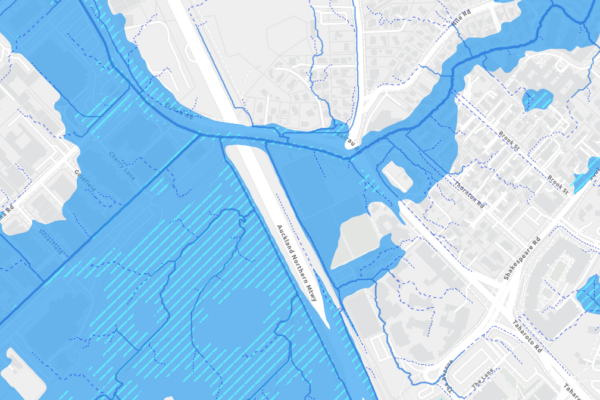
Important: Your zone, PC120 rules and any overlays (flood, heritage, special character) all sit on top of your title rules. Check your property on Auckland Council’s Unitary Plan map viewer before committing to a conversion — the title is only one of several gates your project has to pass.
“The most expensive cross-lease mistake we see isn’t the conversion cost. It’s paying for the conversion first, then discovering the section was never going to take the second dwelling that made the whole thing worth doing. Test the site, then sort the title — not the other way around.”
— Sonder Architecture Team
This is the part we do, and it’s why our work starts with a feasibility assessment rather than a pretty sketch. As Licensed Building Practitioners in the Design Class (LBP Design Class — designers certified to carry out and supervise the structural and weathertightness work the law calls Restricted Building Work), we read your site against the current planning rules and tell you, early, what’s realistic. If the section can’t take what you had in mind, you hear it on day one — not three months and several thousand dollars into drawings.
Once a scheme stacks up and the title’s sorted, the build is the next conversation. For the construction side we work with our group build partner, Superior Renovations, and for larger development projects with Superior Homes — so the design, consents and build hold together under one roof rather than getting lost between three firms who’ve never met.
Where to Start
If a cross-lease is standing between you and the home you want, the first move isn’t a surveyor and it isn’t a lawyer. It’s working out what your section can take — because that answer decides whether you convert, update, or rethink the whole plan. Bring us your address and your wish list, and we’ll tell you what’s realistic before you spend on anything legal.
➡ Book a free consultation with Sonder Architecture
➡ Request your free feasibility report
➡ See how we handle subdivision and multi-unit design
➡ See recent projects we’ve done across Auckland
Freehold (fee simple) means you own your land and buildings outright and can renovate or develop with only council approval. Cross-lease means you share ownership of the whole section with the other flat owners and hold a long lease (usually 999 years) over your own house. The practical difference: on a cross-lease, any change to your building's external footprint needs every co-owner's consent and an updated flats plan. Often yes. You don't have to convert to freehold to extend — but because an extension changes your building's footprint, you need written consent from every other owner on the title, plus an updated flats plan and the usual building consent. Internal renovations that don't change the external walls generally don't need co-owner consent. A 2026 Court of Appeal decision (Liow v Martelli) made it harder for a neighbour to unreasonably refuse a sensible alteration. Yes. Converting a cross-lease to freehold is a subdivision, and it needs unanimous agreement from every owner on the title — all owners convert at the same time. If one neighbour won't agree, the full conversion can't proceed. A flats-plan update also needs co-owner consent. This is why the relationship between cross-lease owners matters so much, and why a value-based conversation with neighbours (freehold lifts everyone's value) is often the most productive approach. It varies widely depending on the number of owners, your site, and whether physical works like separate water connections are needed. Published surveyor estimates commonly land in the tens of thousands of dollars, usually split between owners, with a flats-plan update being the cheaper alternative. Your surveyor and property lawyer give the real figures for your specific title — these are the professionals who carry out the conversion, not your architectural designer. Commonly several months to over a year, depending on owner agreement, council resource consent timing, any required site works, and LINZ processing. It's a subdivision, so it moves at the pace of council and Land Information New Zealand rather than your builder. Getting all owners aligned early is the single biggest thing that keeps the timeline on track. It depends on your plans. If you want to keep developing, remove the co-owner restriction for good, or close the value gap before selling, freehold is usually worth the spend. If you only want one extension and your neighbours are cooperative, a cheaper flats-plan update may be enough. The deciding factor is what you actually intend to build — decide the title path against your project, not in isolation. A cross-lease title is 'defective' when the buildings on the ground don't match the registered flats plan — usually because someone added a garage, deck or room without updating the plan with LINZ. Even with a building consent and code compliance certificate for the work, the legal plan can still be out of date. A defective title can make a property harder to sell or refinance, so it's worth checking the flats plan against the actual buildings before you buy. Converting to freehold is a subdivision, so it needs a resource consent from Auckland Council (permission for how the land is used and divided). The physical building work you want to do — an extension, a new dwelling — needs a separate building consent (permission for the construction itself), and possibly resource consent too if it breaches a planning standard. They're different approvals for different things, and it's easy to confuse them. Sometimes, but the cross-lease makes it harder. A new dwelling almost always changes the footprint and the use of the shared land, so you'd need co-owner consent and a plan update at minimum — and often a freehold conversion to make it practical. Your zone under the Auckland Unitary Plan and the new 70m² granny-flat exemption also decide what's possible. Test the site's potential first, then sort the title to suit. Usually. Freehold homes generally sell for more than equivalent cross-lease homes and appeal to a larger pool of buyers, so removing the cross-lease often lifts value and saleability. The size of the gain is debated — estimates vary and depend on your suburb and property — so treat any single percentage you read online with caution and get local advice from a valuer or agent for your specific home. Not for the conversion itself — that's surveyor and lawyer work. You need a designer when there's building involved: an extension, a new dwelling, or a development that the conversion is meant to enable. That's where Sonder Architecture comes in. We run a feasibility assessment to tell you what your site can take, design the work to a standard that's easier to get consent for, and coordinate with your surveyor and the build team.
What is the difference between cross-lease and freehold?
Can I extend a cross-lease property without converting to freehold?
Do all my neighbours have to agree to convert to freehold?
How much does it cost to convert a cross-lease to freehold?
How long does a cross-lease to freehold conversion take?
Is converting a cross-lease to freehold worth it?
What is a defective cross-lease title?
Do I need a resource consent or a building consent to convert?
Can I add a granny flat or minor dwelling to a cross-lease property?
Does converting to freehold add value to my home?
Do I need an architectural designer to convert a cross-lease?