
Last updated:
Deck Design NZ: How to Design a Deck That Works With Your Home
Quick answer: Good deck design in NZ starts with the house, not the deck. Orientation, the level change at the door, and the join back to your wall matter more than the board you pick. Get those three right and the deck reads as a room, not a platform bolted onto the back of the house.
Most deck advice in New Zealand starts at the wrong end. Pick timber or composite, find a builder, get a quote. The board and the builder come last. The decisions that decide whether your deck gets used every weekend or sits empty for eight months of the year happen long before anyone picks up a drill.
We’re Sonder Architecture, an Auckland architectural studio, and we design decks as part of the house they belong to rather than as an add-on. We’re the LBP Design Class team that prepares the plans for renovations, extensions and new homes across the city. An LBP is a Licensed Building Practitioner, a designer or tradesperson certified by the New Zealand government to carry out or supervise certain building work, and the Design Class covers the drawings your project is built from. When a deck is designed alongside the house, the join, the levels and the sightlines all get sorted at the same time. When it’s added later, those are the things that go wrong.
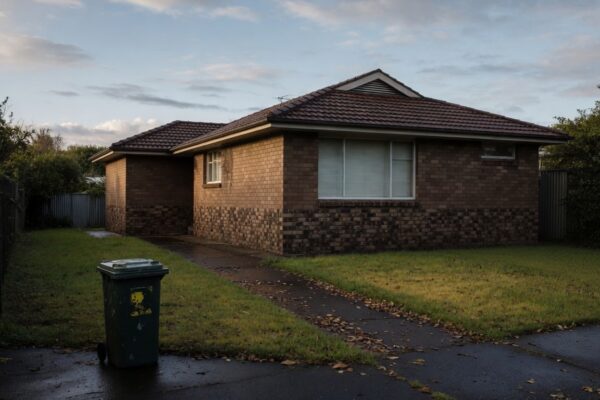
Picture a 1960s brick-and-tile in Meadowbank with ranchslider doors onto a small concrete patio nobody uses. The sun has left it by two in the afternoon, there’s a 400mm step down at the door you have to watch every time, and the back of the house turns its shoulder to the garden. A new deck on its own won’t fix any of that. The fix is in the orientation, the level change and the way the deck meets the house, and none of those are board-and-builder decisions.
This guide covers the deck design NZ homeowners actually need: how to design a deck that works with your home, the open-versus-covered call, the materials that hold up to Auckland’s weather, and the one detail that causes more grief than any other. We’ll point you to the consent rules where they bite. But the rules aren’t the hard part of a deck. The design is.
Start With the House, Not the Deck
A deck is a room you can’t put a roof on without changing what it is. Treat it like one. The best decks aren’t designed in the backyard looking out; they’re designed from inside the living room looking through the door. That shift in where you stand changes every decision that follows.
Get the orientation right for Auckland sun
In New Zealand the sun sits in the north, so a deck that catches the afternoon and evening wants to face north or north-west. A south-facing deck spends most of the year in the shade of your own house, which is why so many of them go unused. Auckland Council’s own planning rules treat sun as non-negotiable: under the Auckland Unitary Plan, the single planning rulebook for the whole region, a dwelling’s required outdoor living space must not be south-facing. That standard also asks for a usable shape, at least 20m² with every edge no shorter than 4m, and direct access from a main living area, dining room or kitchen.
Those aren’t just consent numbers to clear. They’re a decent design brief on their own. A long, thin 2m strip down the side of the house technically adds square metres but seats nobody. A square-ish space off the kitchen, facing the afternoon sun, is the difference between a deck you live on and a deck you walk across. On a tight Grey Lynn site where the good aspect points at the neighbour’s fence, this is exactly where design earns its keep, and where our sustainable design approach to orientation and passive sun does real work.
Design the threshold so the inside flows out
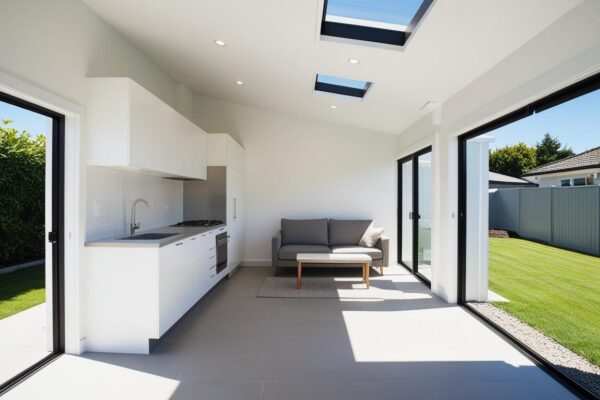
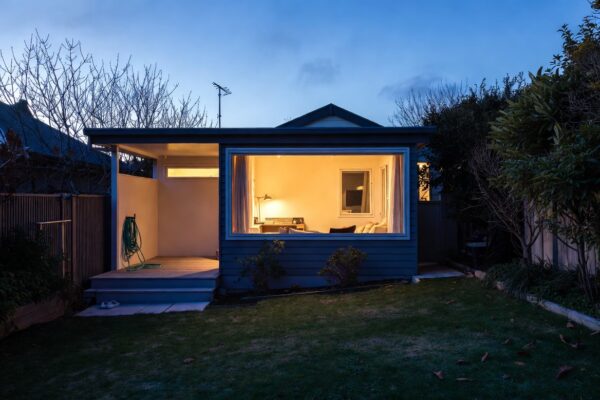
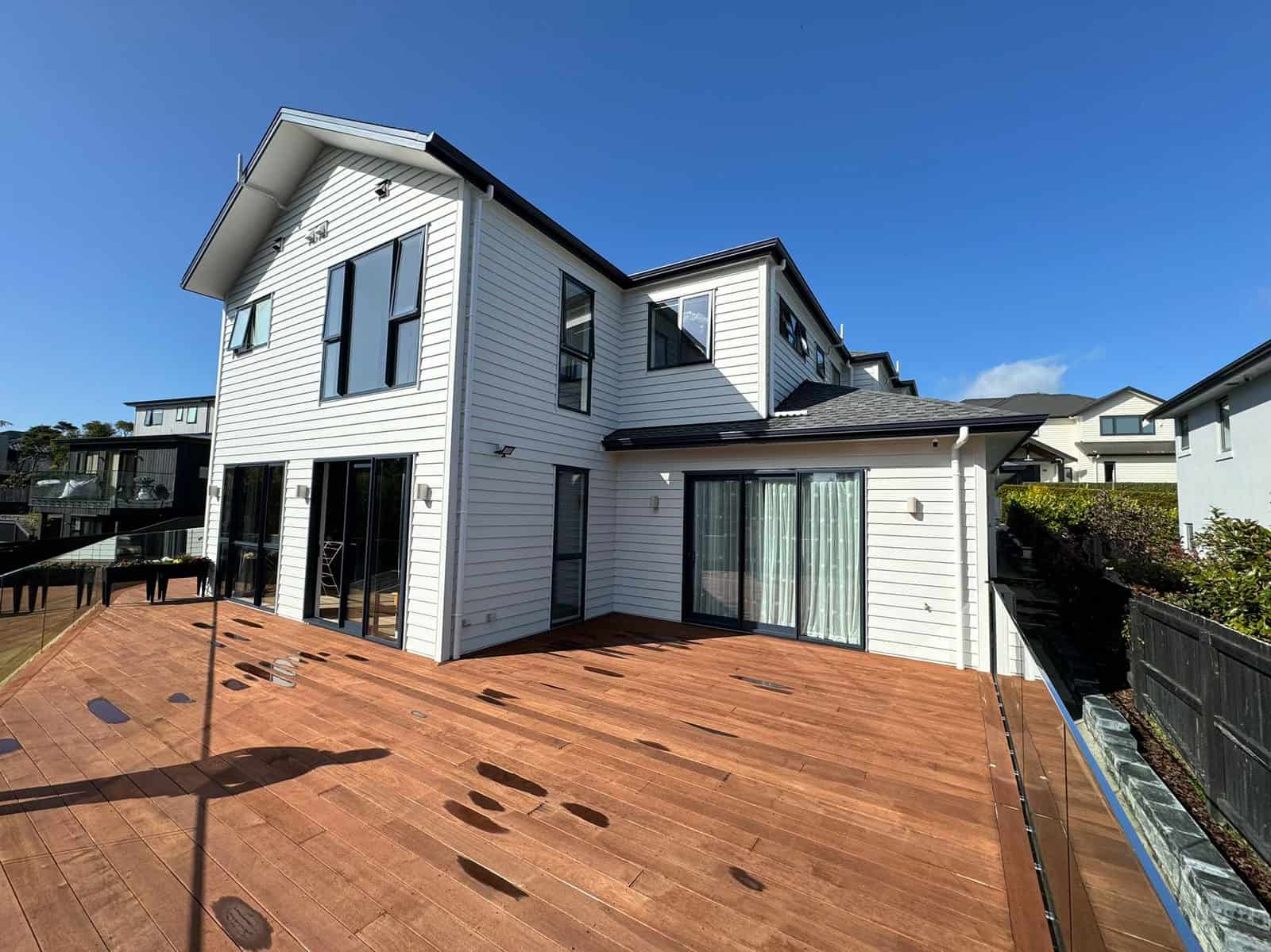
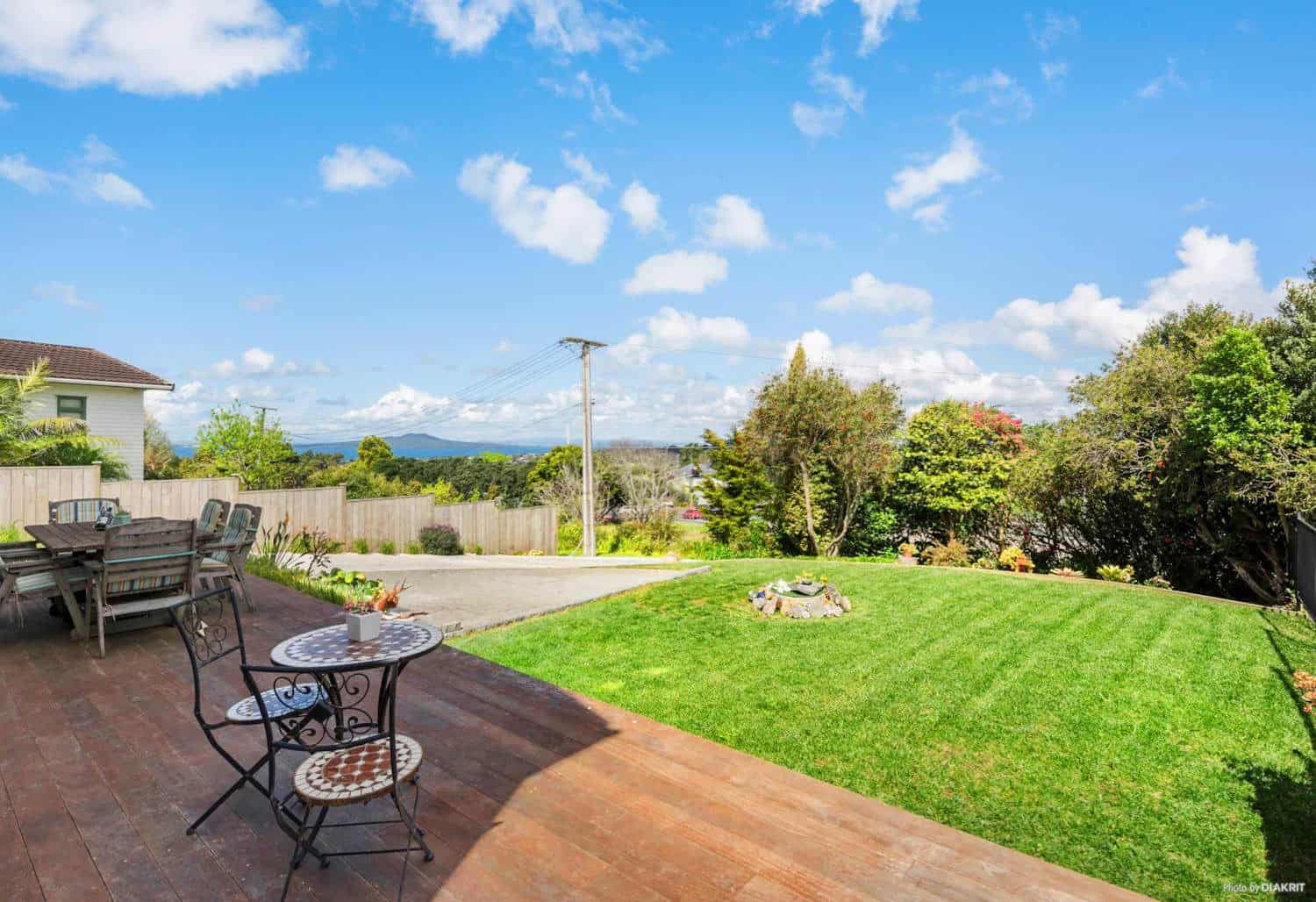
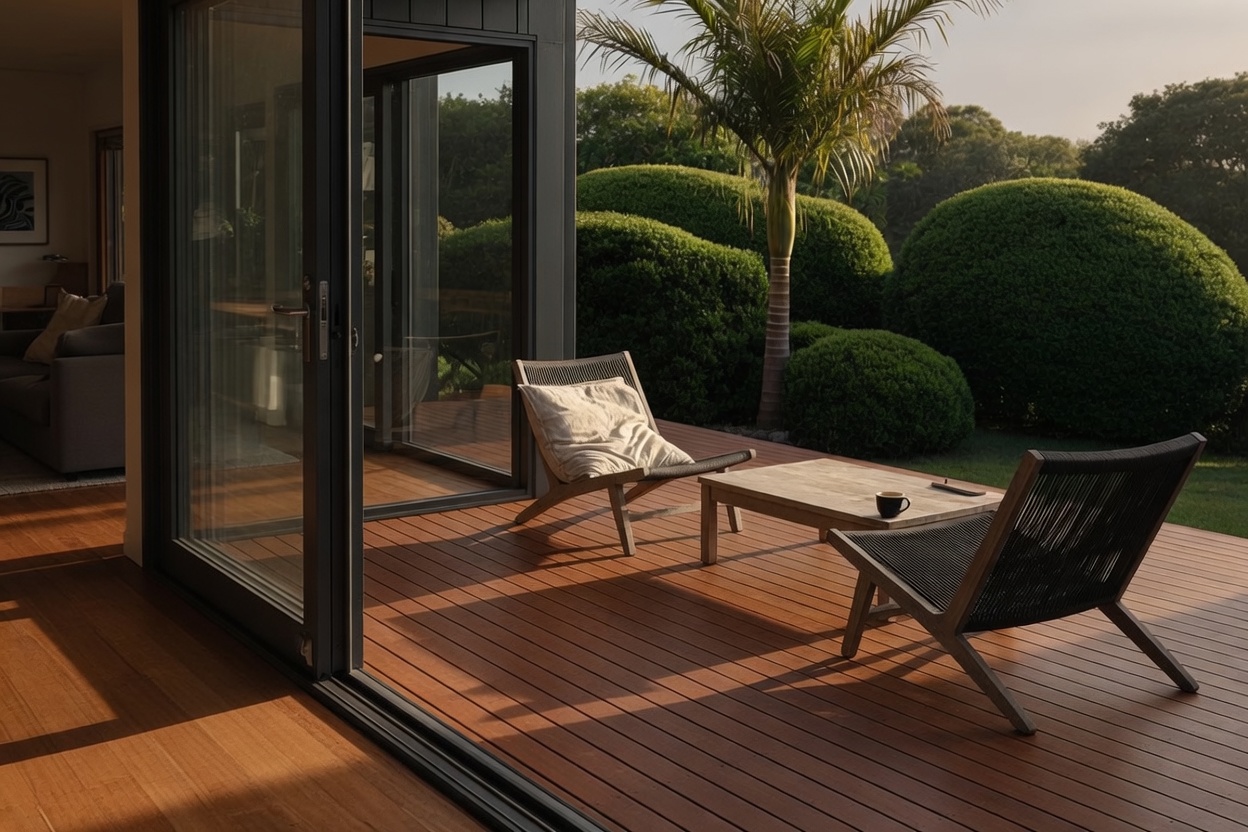
The phrase everyone uses is indoor-outdoor flow. What actually delivers it is the threshold, the line where the floor inside meets the deck outside. When the inside floor and the deck sit at the same level, the eye reads one continuous space and the room feels twice the size; when there’s a step, the deck becomes a separate place you visit.
Getting a flush threshold right is a design and weathertightness problem at the same time, because water has to be kept out at the exact point where you’ve removed the step that used to keep it out. That’s solved with drainage channels, the right door system and careful detailing, not by hoping. This is the kind of decision that’s cheap to make on a drawing and expensive to fix after the deck is built. If you’re already opening up the back of the house, our guide to a house extension in Auckland walks through how the door line and the deck get designed together.
💡 Homeowner tip: Before you commit to a deck height, stand in your living room and look out. If you’ll be looking at the underside of a balustrade rail instead of the garden, the deck is too high or the floor levels are wrong. Sort that on paper first.
Size it like a room, not an afterthought
People size a deck by what’s left over in the yard. Designers size it by what happens on it. A table for six needs roughly 3m by 3m of clear space once chairs are pulled out. Add a couple of loungers and a path to walk past them and you’re closer to 25-30m². A deck that’s too small to hold the furniture you imagined is the most common regret we hear, and it’s entirely avoidable at the design stage.
This is where designing the deck with the house pays off. The deck can borrow space from the layout inside, a kitchen that opens fully to it, a living room that uses it as overflow, so the two spaces work as one in summer. On a North Shore section in Torbay or Milford with a view to protect, the deck also becomes the thing that frames it. Decide what the deck is for before you decide how big it is, and the size sorts itself out. That brief is exactly what we build at the start of every renovation and extension project.
Open or Covered: Designing a Deck for Year-Round Use
Auckland gets enough rain that an open deck is a summer deck. Cover it, and it becomes a room you use in July. The open-versus-covered decision is the single biggest design call you’ll make, because it changes the structure, the budget, the feel of the space and, importantly, the rules that apply.
The open deck
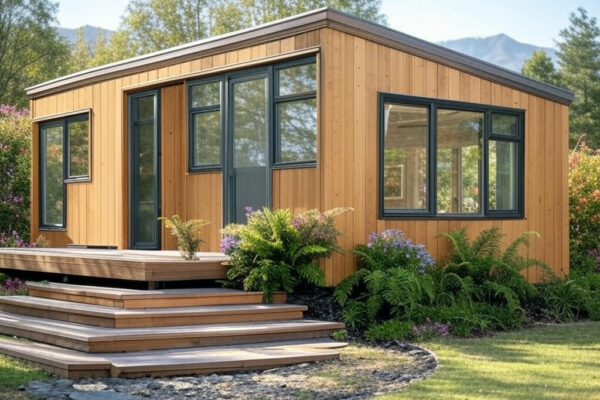
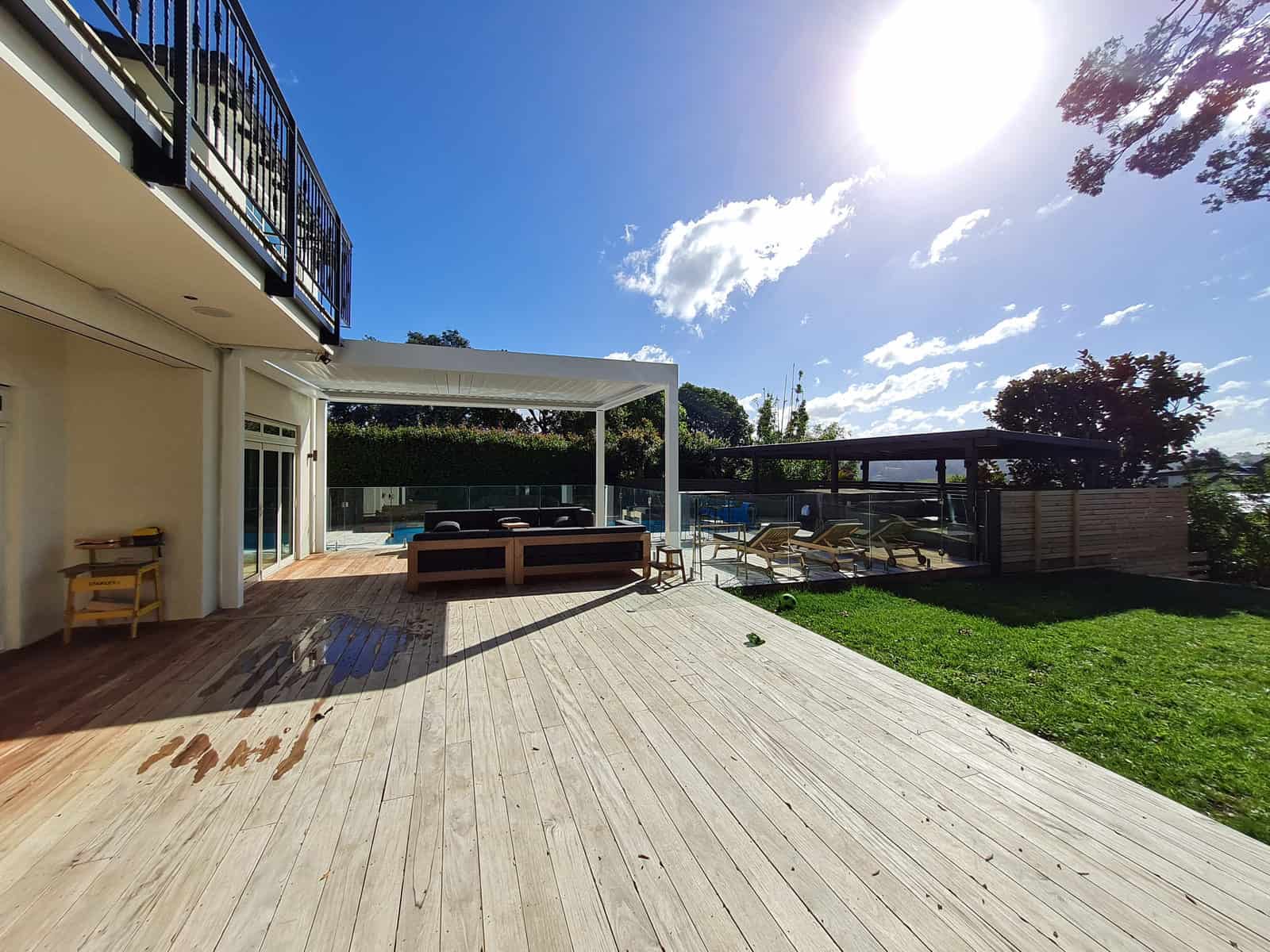
An open deck is simpler, cheaper and lighter on the house. It’s the right answer when your aspect is good, you’ve got summer shade from a tree or the house itself, and you want the garden to feel close. Open decks also keep you on the friendly side of the consent line for height, which we’ll come to. Where they fall down is use: in a wet Auckland winter, an uncovered deck off a Howick family home is furniture storage from May to September.
 Deck to shelter
 Under the louvres
The covered deck, or outdoor room
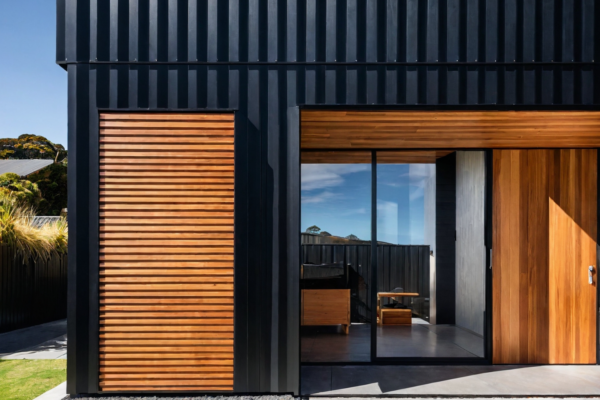
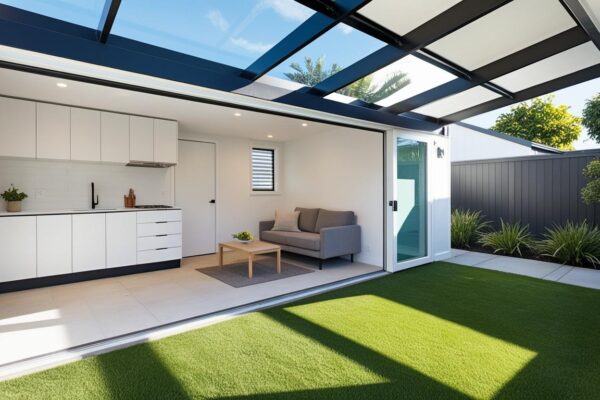
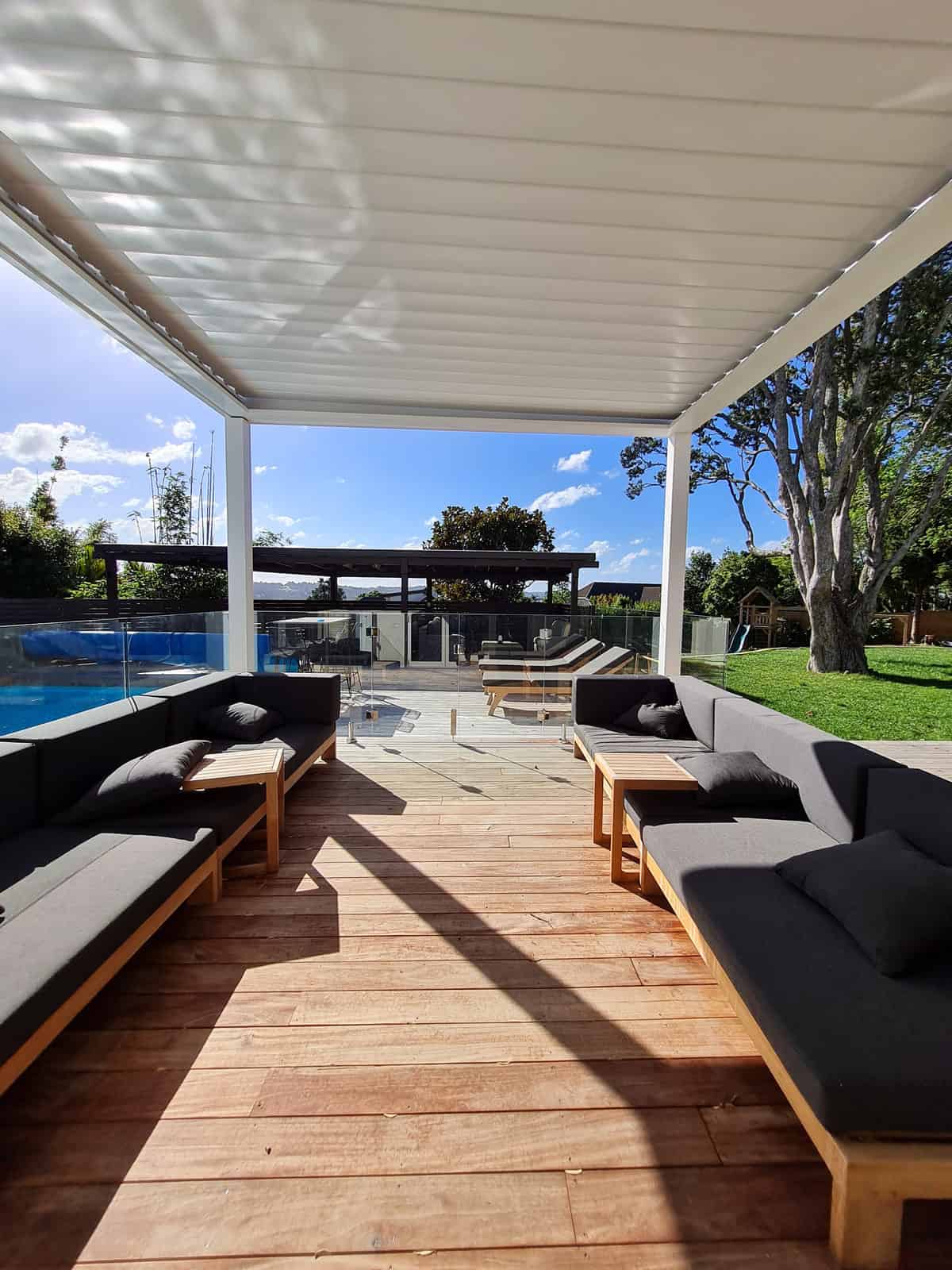
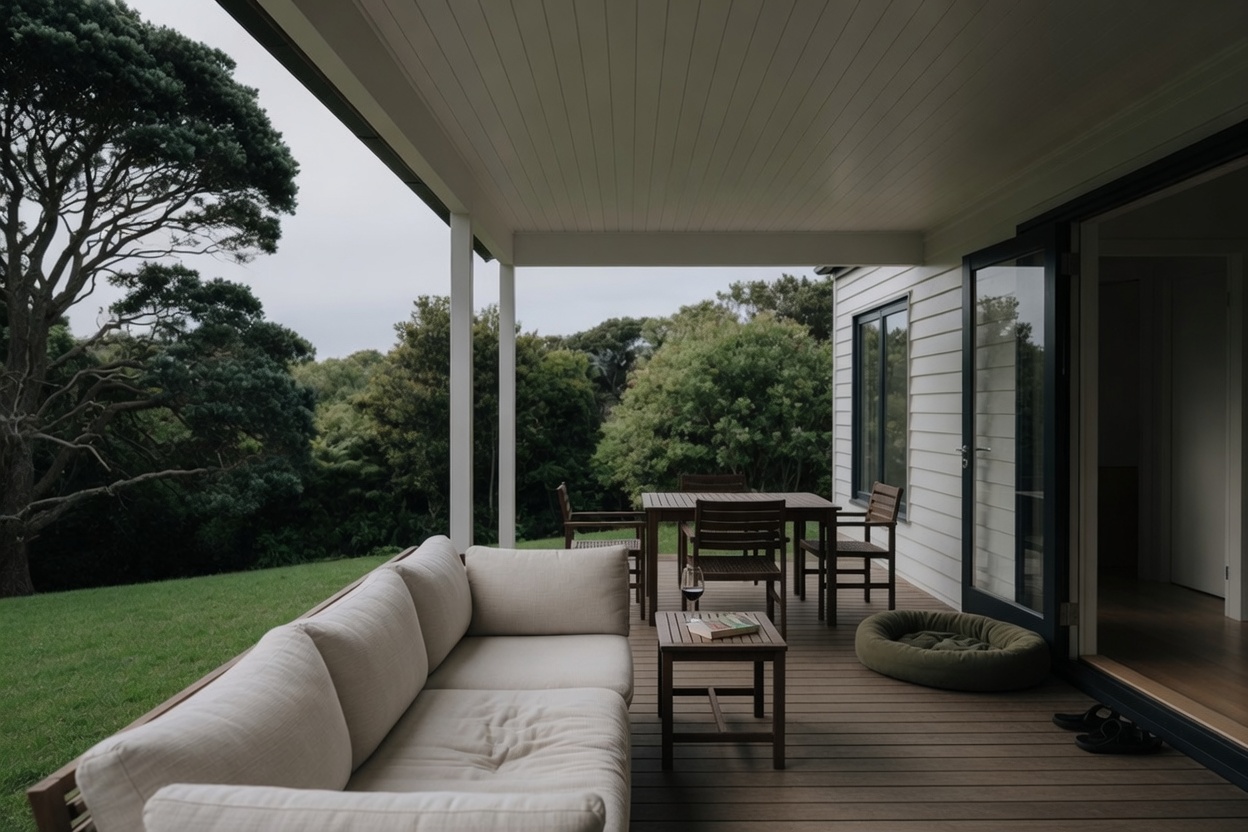
Putting a roof over a deck turns it into an outdoor room, and that’s a different design animal. Now you’re thinking about how the roof attaches to the house, whether you keep the view and the light, and how the covered space relates to the rooms behind it. A solid roof, a louvre system that opens and closes, or a translucent panel each give a different result, and each lands you in a different place with the council. Done well, a covered deck off a Remuera living room reads as part of the house. Done as an afterthought, it makes the rooms behind it dark.
Where covering the deck changes the rules
Here’s the part the deck-builder ads skip. An open deck low to the ground is often exempt from a building consent, the council’s approval to do the actual construction work. Under Schedule 1 of the Building Act 2004, the list of low-risk work you can build without a consent, a deck is exempt where it’s not possible to fall more than 1.5 metres from the surface, even if the deck collapses. The moment you roof it, enclose it, or build it higher, that changes.
Two thresholds are worth knowing. A barrier, your balustrade, is required under New Zealand Building Code clause F4, the rule covering safety from falling, wherever there’s a drop of one metre or more. So you can have a deck that needs no consent but still needs a balustrade. And once a deck becomes a covered, enclosed or raised structure, it’s no longer a simple deck in the eyes of the law and a consent is usually back on the table. The covered deck that makes your home liveable in winter is also the one most likely to need consent, and that’s a design decision worth making with your eyes open.
Important: Even an exempt deck must still meet the Building Code, and it may still need a resource consent, which is the council’s permission for how you use the land, separate from a building consent. Height, boundary setbacks and site coverage under the Unitary Plan can all apply. For the full picture, see our guide to what you can build without a building consent in NZ and the detail on costs in how much a building consent costs in Auckland. Confirm your project against MBIE’s deck exemption guidance before you start.
None of this should drive the design. It should inform it. We design the deck you want first, then tell you exactly which side of the consent line it sits on and what that means for time and cost. Often a small change at the drawing stage, a slightly lower floor, a roof that reads as a separate structure, keeps a project simpler without giving up what you actually wanted.
Materials and Detailing That Survive Auckland
Auckland is hard on outdoor timber. Salt air on the coast, humidity everywhere, clay soils underfoot and a lot of rain. The material and the way it’s detailed decide whether your deck still looks good in ten years or needs replacing in five.
Timber or composite for an Auckland deck
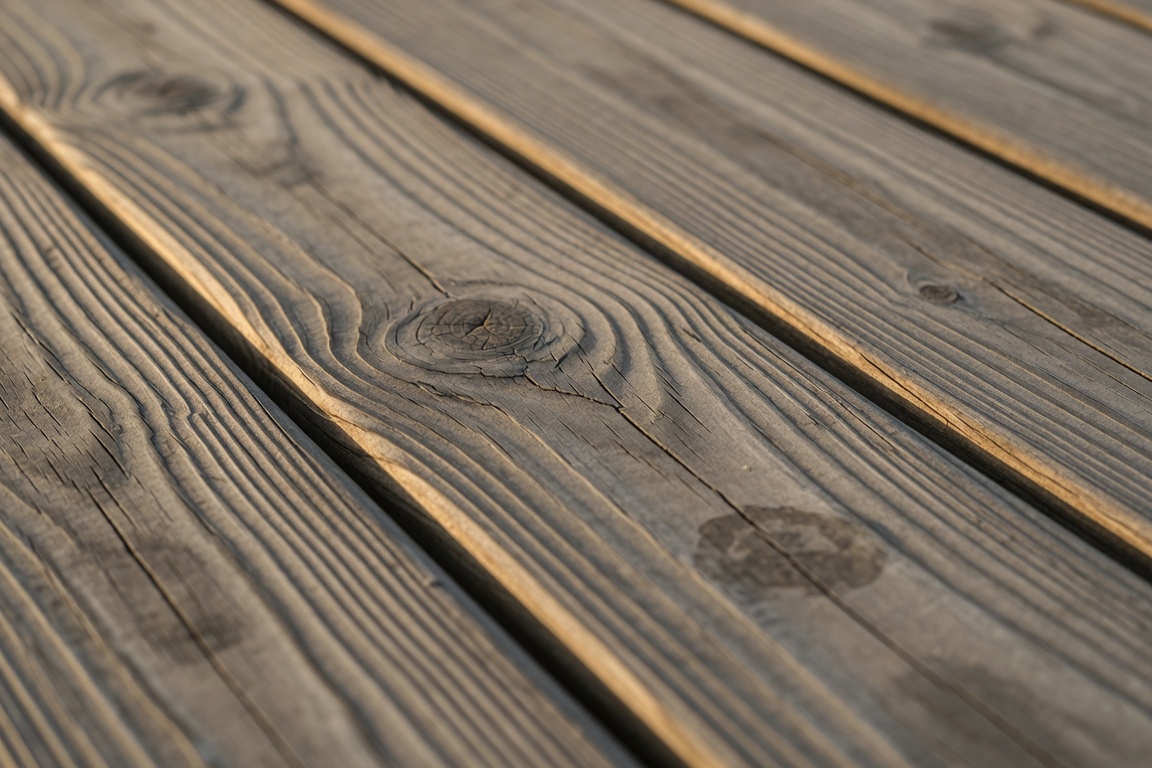
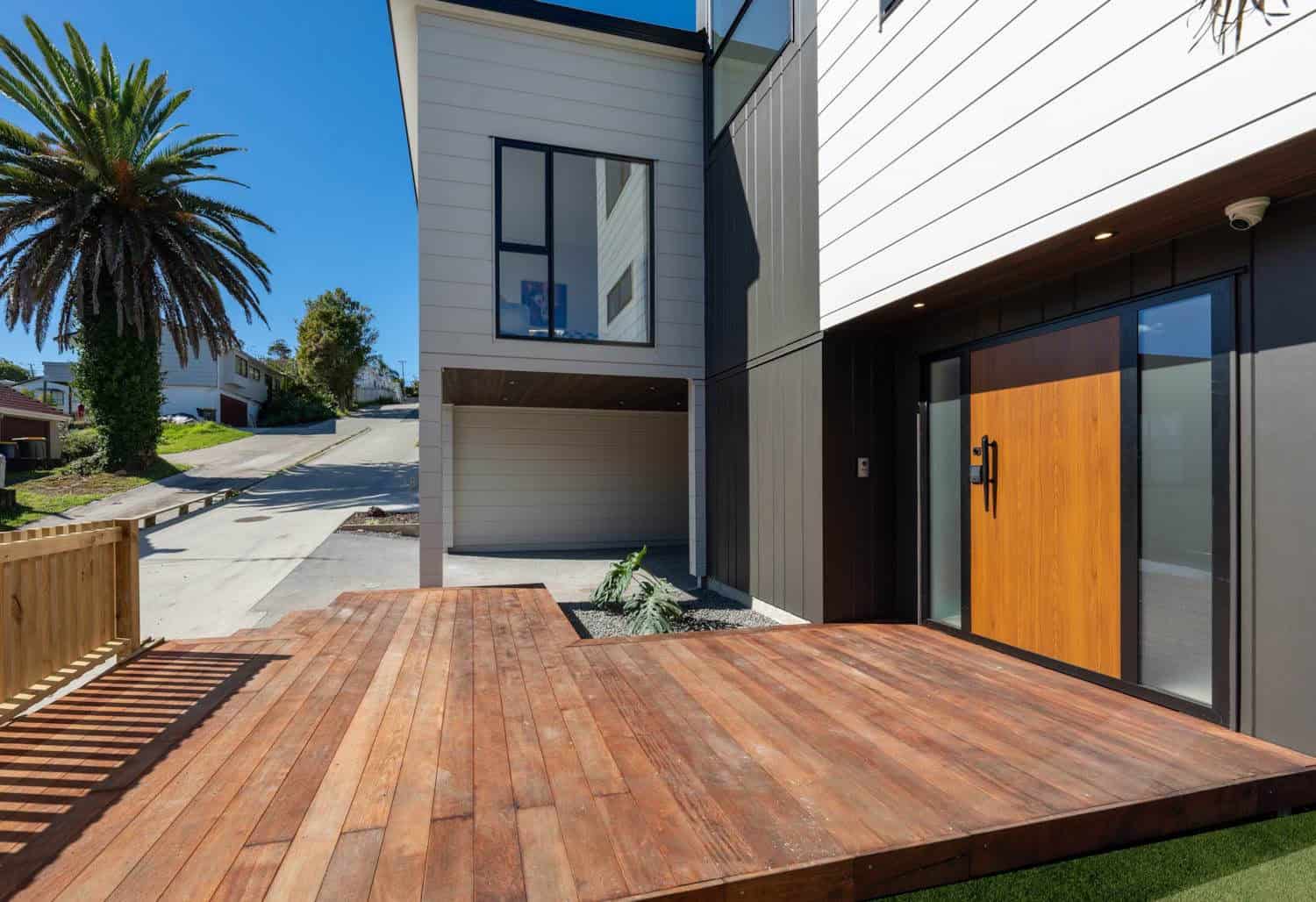
Timber, usually kwila, vitex or treated pine, gives you the warmth and the look that suits a villa in Ponsonby or a weatherboard home in Devonport. It needs oiling and it weathers, which some people love and some don’t. Composite, a timber-and-plastic board, costs more up front but holds its colour and shrugs off the maintenance, which is why it’s popular near the coast where salt spray punishes natural timber. There’s no universally right answer; there’s a right answer for your site, your house and how much weekend maintenance you’re honestly going to do.
The choice is also an aesthetic one, and it should match the house. A crisp composite board can look wrong against a 1920s bungalow, and a rustic hardwood can fight a sharp modern extension. Choosing the board is a design decision, not just a shopping one, which is why it belongs in the plans rather than at the timber yard.
Foundations on clay and sloping sites
What holds the deck up matters more than what you walk on. Much of Auckland sits on reactive clay that shifts as it wets and dries, so a deck’s piles and footings have to be designed for the ground they land in. On a flat Flat Bush section that’s routine; on a Titirangi or Hillsborough site where the ground falls away, it becomes a structural design job and often an engineering one.
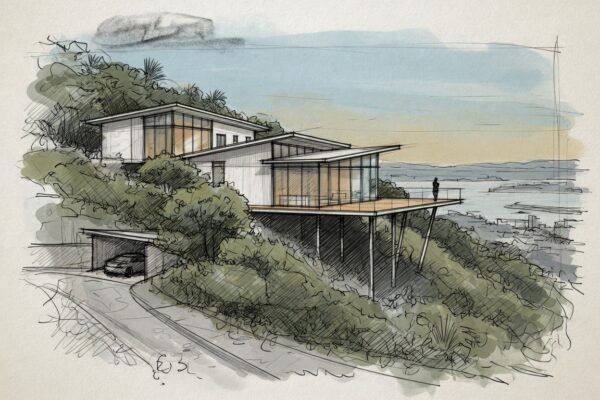
Sloping sites are also where multi-level decks come into their own. Instead of one tall platform with a long fall and a lot of balustrade, a deck can step down the slope in stages, each level a usable zone, each one closer to the ground. Stepping a deck down a slope usually looks better, uses the section better, and can keep individual levels under the height that triggers consent. That’s design solving a planning problem and a usability problem at once.
💡 Homeowner tip: If your section slopes, get the levels and foundations designed before you fall in love with a single big deck. A stepped, multi-level design is often cheaper to build, nicer to use, and simpler to consent than one raised platform.
The deck-to-wall join: the detail that leaks
If your deck attaches to the house, the join where it meets the wall is the most important detail in the whole project, and the one most likely to cause trouble. Deck-to-wall junctions are one of the most common weathertightness failure points in New Zealand homes, because that’s where the deck breaks through your home’s water-resistant skin.
That skin is governed by New Zealand Building Code clause E2, the rule for keeping external moisture out of the building. Any deck that attaches to your house and breaches the cladding line falls into E2 territory: the flashing, the drainage and the waterproofing at that junction all have to be designed and documented, not improvised on site. A simple-looking deck bolted to a 1980s Howick brick-and-tile can quietly become a leak that rots the framing behind your wall if that junction is wrong. This is the detail builders’ inspiration galleries never mention and where an LBP Design Class set of plans earns its place. Our deep dive on NZBC E2 external moisture explains exactly what’s at stake.
“Most deck problems we get called about aren’t the decking. They’re the 200mm where the deck meets the house. Get the flashing and drainage at that junction right on the drawings and you’ll never think about it again. Get it wrong and you find out when the framing behind your wall has gone soft.”
— Sonder Architecture Team
From Idea to Built Deck: How the Design Stage Works
A deck rarely arrives on its own. It usually turns up as part of opening the back of the house, adding a room, or building new. That’s the point: the best decks are designed as part of a bigger move, not booked in isolation, because every decision in this guide connects back to the house.
Where a deck fits in a renovation or extension
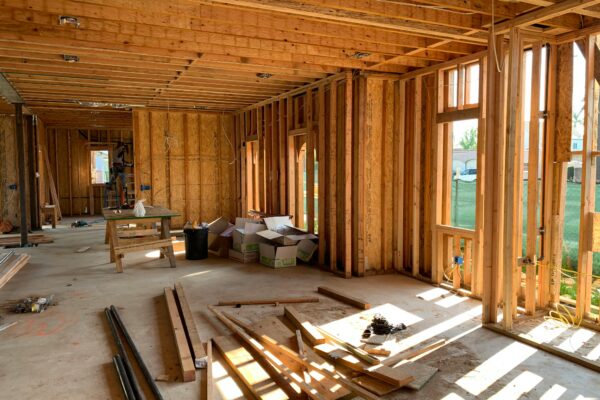
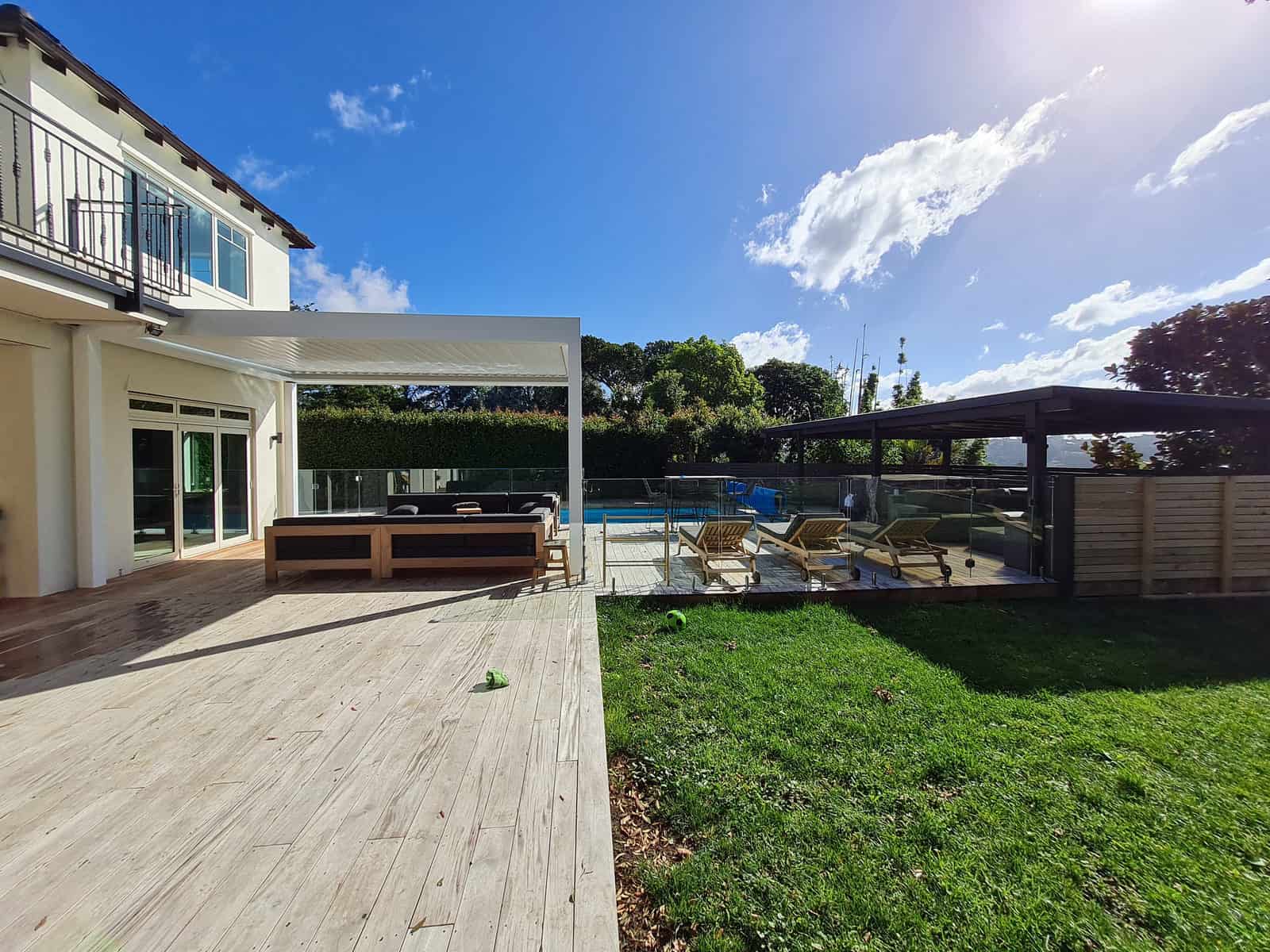
When you’re already changing the back of your home, the deck is part of the same drawing. The new bifold doors, the floor level, the roofline, the deck and the join all get designed together, so they actually line up when it’s built. A deck designed as part of a renovation almost always works better than one added six months after the builder’s gone, because the hard connections were solved once, on paper, instead of twice, on site. A standalone replacement deck on a Mt Albert do-up is a smaller job, but the same thinking applies.
What we work out before a builder quotes
Here’s where most homeowners go straight to the wrong question. They ring around for a per-square-metre price before anyone has worked out what’s actually possible on the section. The cost of a deck isn’t set by the builder; it’s set by the design and consent decisions made before the builder ever sees the job.
At the design stage we sort the orientation, the levels and threshold, the open-or-covered call, the material, the structure for your ground, and the deck-to-wall junction. We tell you which side of the consent line it sits on. Our free feasibility report is built for exactly this moment: a low-cost first look at what your section can take and what it’ll involve before you spend real money. You can request a free feasibility report to get that picture early.
Consent, the build partner, and your next step
If your deck is genuinely exempt, we’ll tell you. If it’s borderline, we’ll explain the risk plainly. And if it needs consent, we prepare the drawings and handle the lodgement with Auckland Council through to your Code of Compliance Certificate, the CCC, which is the document the council issues confirming the finished work meets the Building Code. You stay in one process from first sketch to signed-off deck, rather than stitching it together yourself.
When the design’s done and it’s time to build, you’re not starting from scratch finding a builder. As the architectural arm of Superior Renovations, we can hand you straight to a trusted build partner who already understands the plans. Design and build under one roof means the people who drew the deck and the people who build it are talking to each other, which is usually where the join, the levels and the flashing stop being a problem.
➡ Book a free consultation with Sonder Architecture
➡ Request your free feasibility report
➡ See how we design renovations and extensions
➡ See recent projects we’ve done across Auckland
Do I need a building consent for a deck in NZ?
Often not. Under Schedule 1 of the Building Act 2004, a deck is exempt from a building consent where it's not possible to fall more than 1.5 metres from the surface, even if it collapses. Build it higher, attach it in a way that affects the house structure, or roof and enclose it, and a consent is usually required. Even an exempt deck must still meet the Building Code and may need a resource consent for height, setbacks or site coverage under the Auckland Unitary Plan.
What actually makes a deck feel connected to the house?
The threshold, which is the line where your inside floor meets the deck. When the two sit at the same level, the eye reads one continuous space and the living room feels much larger. A step down breaks that and turns the deck into a separate place you visit. Getting a flush, level threshold right is both a design and a weathertightness decision, so it's solved on the drawings with the right door system and drainage rather than improvised later.
Which way should my deck face in Auckland?
North or north-west, to catch the afternoon and evening sun. In New Zealand the sun sits in the north, so a south-facing deck spends most of the year shaded by your own house, which is why so many go unused. The Auckland Unitary Plan reflects this: a dwelling's required outdoor living space must not be south-facing, must be at least 20m² with every edge no shorter than 4m, and must connect directly to a main living area, dining room or kitchen.
Open deck or covered deck, which is better?
It depends on how you want to use it. An open deck is cheaper, lighter on the house and keeps the garden feeling close, but in an Auckland winter it's mostly furniture storage. A covered deck becomes an outdoor room you use year-round, but it costs more, affects the light in the rooms behind it, and is far more likely to need a building consent. Decide how often you actually want to use it before you decide whether to roof it.
Does covering a deck change the consent rules?
Yes. An open, low deck is often exempt from a building consent under Schedule 1. The moment you add a solid or translucent roof, enclose the sides, or build it higher, it stops being a simple deck in the eyes of the Building Act and a consent is usually back on the table. A roof attaching to your house also brings weathertightness rules into play. It's worth confirming where your design sits before you build, not after.
Timber or composite decking for an Auckland home?
Both work; the right choice depends on your site and your maintenance appetite. Timber such as kwila, vitex or treated pine gives natural warmth that suits villas and weatherboard homes, but it needs oiling and weathers over time. Composite costs more up front but holds its colour and resists salt spray, which makes it popular on the coast. It's also an aesthetic decision: the board should match the house, so it belongs in the design rather than being chosen last at the timber yard.
Can I build a deck on a sloping section?
Yes, and a slope is often where good deck design shows. Rather than one tall raised platform with a long fall and a lot of balustrade, a deck can step down the slope in stages, with each level a usable zone closer to the ground. A stepped, multi-level design usually looks better, uses the section better, and can keep individual levels under the height that triggers consent. On Auckland's reactive clay soils the piles and footings need to be designed for the ground, often with engineering input.
Why do decks leak where they meet the house?
Because that join breaks through your home's water-resistant skin. Deck-to-wall junctions are one of the most common weathertightness failure points in New Zealand homes. Any deck that attaches to the house and breaches the cladding line falls under New Zealand Building Code clause E2, which covers keeping external moisture out. The flashing, drainage and waterproofing at that junction have to be designed and documented properly. Get it wrong and water can rot the framing behind the wall before you ever notice.
How big should my deck or outdoor living space be?
Size it by what happens on it, not by what's left over in the yard. A table for six needs roughly 3m by 3m of clear space once chairs are out; add loungers and a walkway and you're closer to 25 to 30m². The Auckland Unitary Plan sets a useful floor for new dwellings: outdoor living space of at least 20m² with every edge no shorter than 4m. A square-ish space beats a long thin strip every time.
Do I need an architect to design a deck?
Not for a simple ground-level deck, but design help pays off when the deck attaches to the house, sits on a slope, gets covered, or is part of a renovation. Note that in New Zealand the title architect is legally protected. Sonder Architecture is an LBP Design Class studio, meaning we're certified to design and document restricted building work, including the structural and weathertightness details a deck-to-wall junction needs. That's the part where plans matter most.
How does deck design fit into a renovation or extension?
It should be part of the same drawing. When you're opening the back of the house or extending, the new doors, floor level, roofline and deck all get designed together so they line up when built. A deck designed as part of a renovation almost always works better than one added afterwards, because the hard connections, the join, the levels and the flashing, are solved once on paper instead of twice on site. It's also the most efficient time to handle any consent.