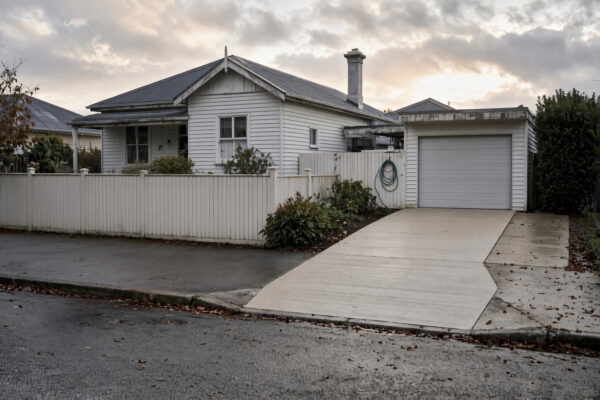

House Extension Auckland: An Architectural Designer’s Guide to Design and Consent
Quick answer: A house extension in Auckland almost always needs building consent, and sometimes resource consent on top of that. For nearly every extension you don’t need a registered architect — you need an LBP Design Class architectural designer. The decisions that control your timeline and budget, single-storey versus second-storey, how close you build to the boundary, what your existing house can carry, are made at the design stage, long before a builder quotes the job.
You love the street. The kids are settled at the local school. The trees out the back took fifteen years to get that good. The only problem is the house itself — three bedrooms when you need four, a kitchen you can’t all stand in at once, no room that doesn’t double as storage. Moving means a longer commute and a school change. So you stay, and you start thinking about a house extension.
Here’s where most Auckland homeowners go straight to the wrong question. They ring around for a per-square-metre price before anyone has worked out what’s actually possible on their section. That’s backwards. The cost of an extension isn’t set by the builder — it’s set by the design and consent decisions made before the builder ever sees the job.
We’re Sonder Architecture, an Auckland architectural studio, and we’re the architectural designer team that prepares the plans and consent documentation for house extensions across the city — from villas in Grey Lynn to brick-and-tile homes on the North Shore. We work to the LBP Design Class standard. An LBP (Licensed Building Practitioner) is a tradesperson certified to carry out or supervise certain building work, required by law for the structural parts of an extension. This guide walks through the decisions we make with homeowners at the start, because those decisions are what determine whether your extension is a clean six-month run or a stalled resource-consent headache.
If you want the build cost side of the picture, our renovation build partner Superior Renovations has a detailed house extension cost guide for Auckland with current per-square-metre rates. We’ll point you back to it where the numbers matter. This guide is about the part that comes first.
Do You Actually Need Consent for a House Extension in Auckland?
For nearly every house extension in Auckland, the answer is yes — you need building consent, and the question that really matters is whether you also need resource consent. The two are different things, and confusing them is where a lot of homeowners lose months.
Think of it like this. A building consent is the council’s permission for the actual construction to go ahead — it confirms your plans meet the New Zealand Building Code (NZBC), the national performance standards every build has to meet. A resource consent is the council’s permission to use your land in a particular way — it’s about planning rules, not construction. You can need one, the other, or both.
Why almost every extension needs building consent
Adding floor area to your home is structural work. You’re tying new framing into an existing house, often opening up walls, sometimes adding load the original foundations were never designed to carry. That’s exactly the kind of work the Building Act 2004 requires consent for. The handful of genuinely consent-exempt jobs under Schedule 1 — the part of the Building Act that lists work you can do without a building consent — are small, detached, and limited in value. A connected extension that touches your services almost never qualifies. If you want the full list of what’s exempt, our guide to what you can build without consent in NZ covers it.
So if someone tells you the extension you’ve got in mind won’t need consent, treat that as a red flag rather than good news.
Important: Building without a required consent is an offence under the Building Act 2004. The council can issue a Notice to Fix, which can mean obtaining consent retrospectively or removing the work. Check what your project needs through the Building Performance (MBIE) guidance or talk to a licensed designer before you start.
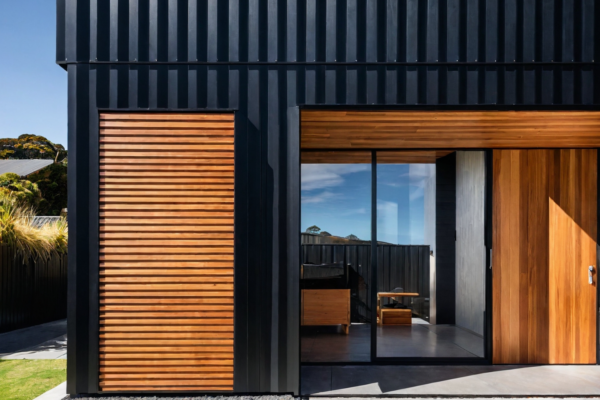
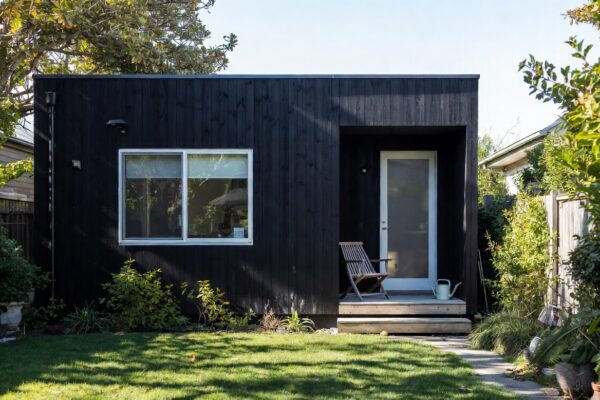
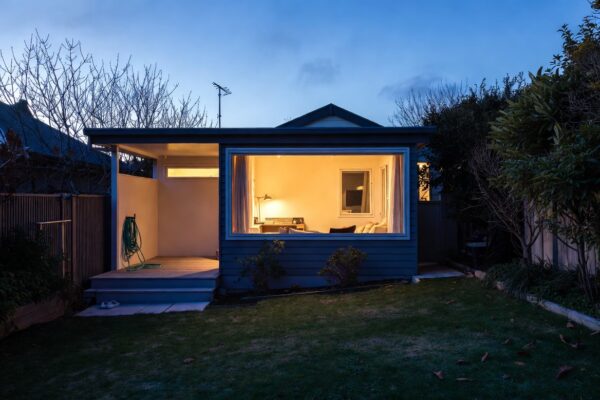
An extension on an East Auckland site: Botany Downs House Extension.
When resource consent comes into it
This is the one that catches people. Your extension can meet the Building Code perfectly and still need a separate resource consent because it breaches a planning rule in the Auckland Unitary Plan — the single planning document covering all of Auckland, which sets out what you can build where. The common triggers are height in relation to boundary, site coverage, and daylight rules. More on those in the next section, because they’re the decisions that quietly shape your whole design.
Around a third of the projects we work on need a resource consent of some kind. The good news is that most are non-notified — meaning the council assesses them without your neighbours having a formal say — which keeps the timeline manageable.
One thing worth clearing up, because the rules changed recently. You may have read that the Medium Density Residential Standards (MDRS) let you build up to three homes on most sites without resource consent. Auckland Council withdrew that position in late 2025 and notified Plan Change 120 in its place, so many sites reverted to their original Unitary Plan zoning. For a straightforward extension it rarely matters, but if your plans are ambitious it’s worth checking where the rules have landed. We’ve broken down the current picture in our MDRS and Plan Change 120 guide.
💡 Homeowner tip: Before you fall in love with a design, find out which zone your property sits in under the Unitary Plan. A Single House zone and a Mixed Housing Urban zone allow very different things — and that single fact changes what’s worth drawing.
Working out which consents your specific project needs is the first real piece of design work, not an afterthought. It’s also exactly what our free feasibility report is for. So once you know you’ll need consent, the next question is the one that shapes everything: which direction do you build?
Single-Storey or Second-Storey: The Decision That Shapes Your Whole Extension
Whether you extend out at ground level or up into a second storey is the single biggest design decision you’ll make — and it’s driven by your section, your existing house, and your planning rules far more than by personal preference.
Most homeowners arrive with a fixed idea of one or the other. Our job is to pressure-test that idea against what your property can actually support before anyone commits.
Ground-floor extensions: simpler, but they cost you land
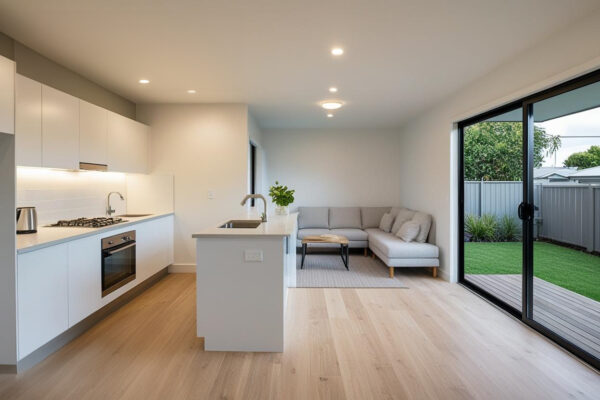
Building out at ground level is usually the more straightforward path. There’s no need to reinforce the existing house to carry a floor above, the construction is simpler, and the design conversation is mostly about flow — how the new space connects to the old, where the light comes from, how it opens to the garden. A rear extension that turns a closed-off 1950s kitchen into open-plan living running the length of the house is one of the most common briefs we see.
The catch is land. Every square metre you build out is a square metre of section you lose, and on a tight Auckland site you can run into site coverage limits — the maximum percentage of your section the council lets you build on — before you’ve got the space you wanted. This is the trade-off that quietly decides the question for a lot of people on smaller sections.
Second-storey additions: more space without losing the section
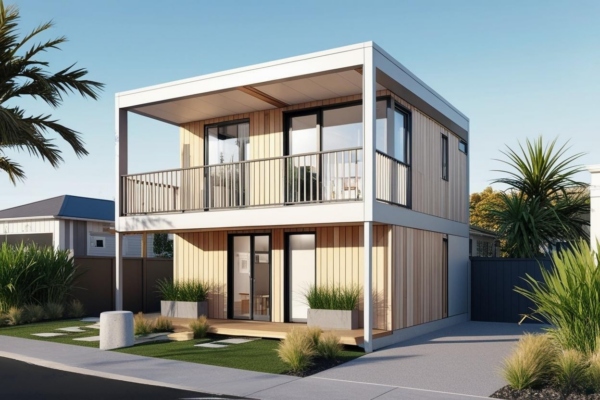
Building up keeps your outdoor space intact, which matters on a smaller Auckland site, and a well-designed second storey can add serious value. But a second-storey addition asks far more of your existing house. The original foundations and framing have to carry the new load, which often means structural reinforcement, a new staircase eating into your ground-floor layout, and changes to the roof.
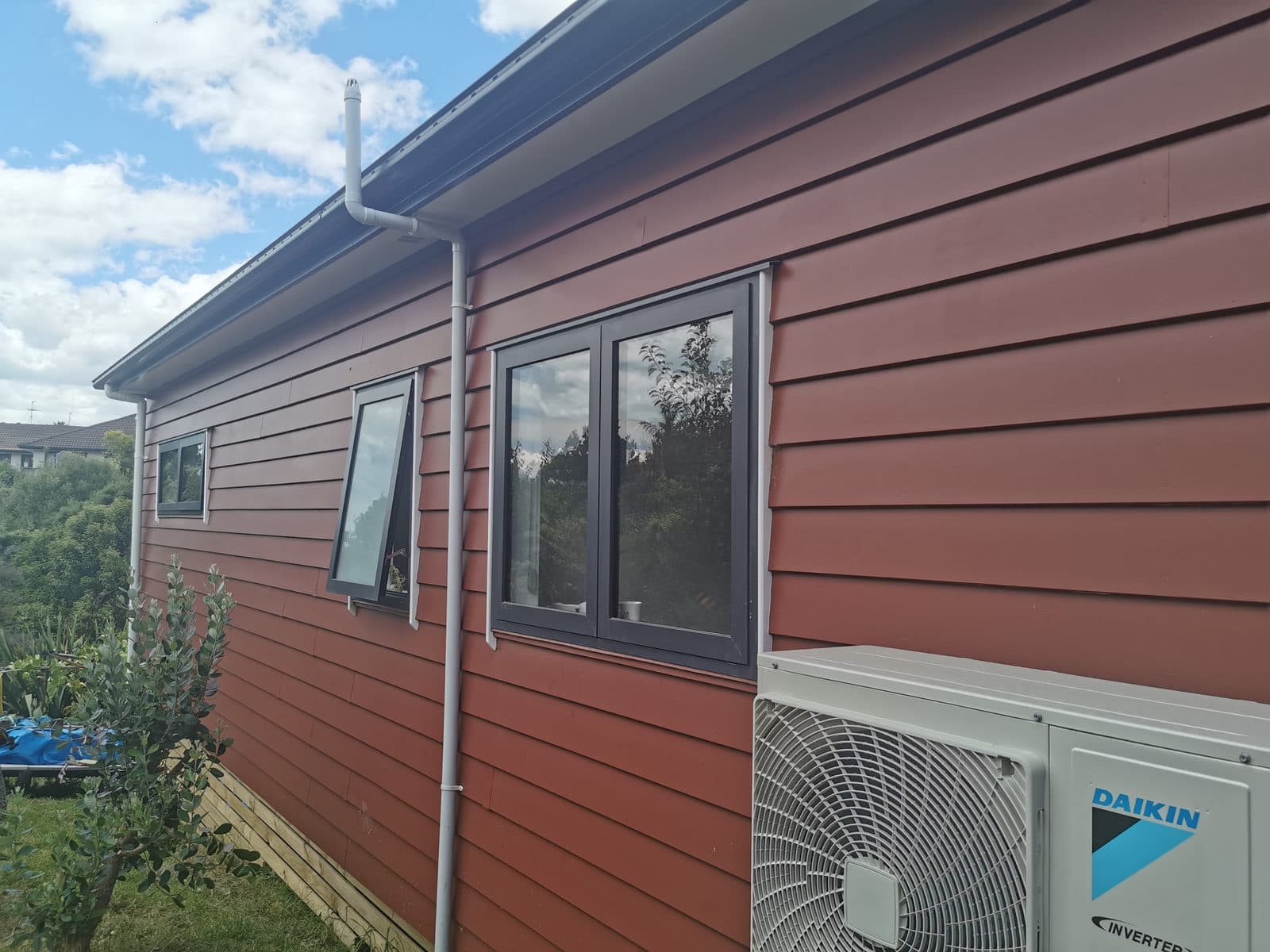
Here’s the part people underestimate. Whether your existing house can take a second storey at all comes down to what’s already under it — the foundations, the framing, the wall bracing. A 1920s villa with rimu framing behaves very differently from a 1970s brick-and-tile in Pakuranga, and both need a structural engineer’s eye before anyone promises you a second floor. Sometimes the honest answer is that reinforcing the existing structure costs more than the extra space is worth, and building out makes better sense. Better to know that at concept stage than after you’ve paid for full drawings.
There’s a weathertightness angle too. If your home was built during the leaky building era — roughly the mid-1990s to mid-2000s, often with monolithic plaster cladding — anything that opens up the external envelope needs careful handling. An extension is the moment those problems surface, and it’s far cheaper to design around them than to discover them mid-build.
Which one adds more value?
There’s no universal answer, and anyone who gives you one hasn’t seen your house. What we can say from experience across Auckland: on a tight inner-suburb section where land is scarce, going up usually protects the thing that makes the property valuable — the garden and the outdoor living. On a larger section further out, extending along the ground is often cheaper per square metre and simpler to consent. The right call is the one that fits your section, your existing structure, and how you actually want to live, not a rule of thumb.
The hidden rule: height in relation to boundary
Here’s the technical decision that makes or breaks a second-storey design. Height in relation to boundary is an Auckland Unitary Plan rule that limits how tall you can build close to your boundary — picture an invisible angled plane rising from your boundary line, and your building has to stay underneath it. In the Single House and Mixed Housing Suburban zones that plane starts at 2.5m above the boundary; in the denser Mixed Housing Urban and Terrace Housing zones it starts at 3m. Build too high too close to the fence and you’ve breached it, which tips an otherwise simple build into resource consent territory.
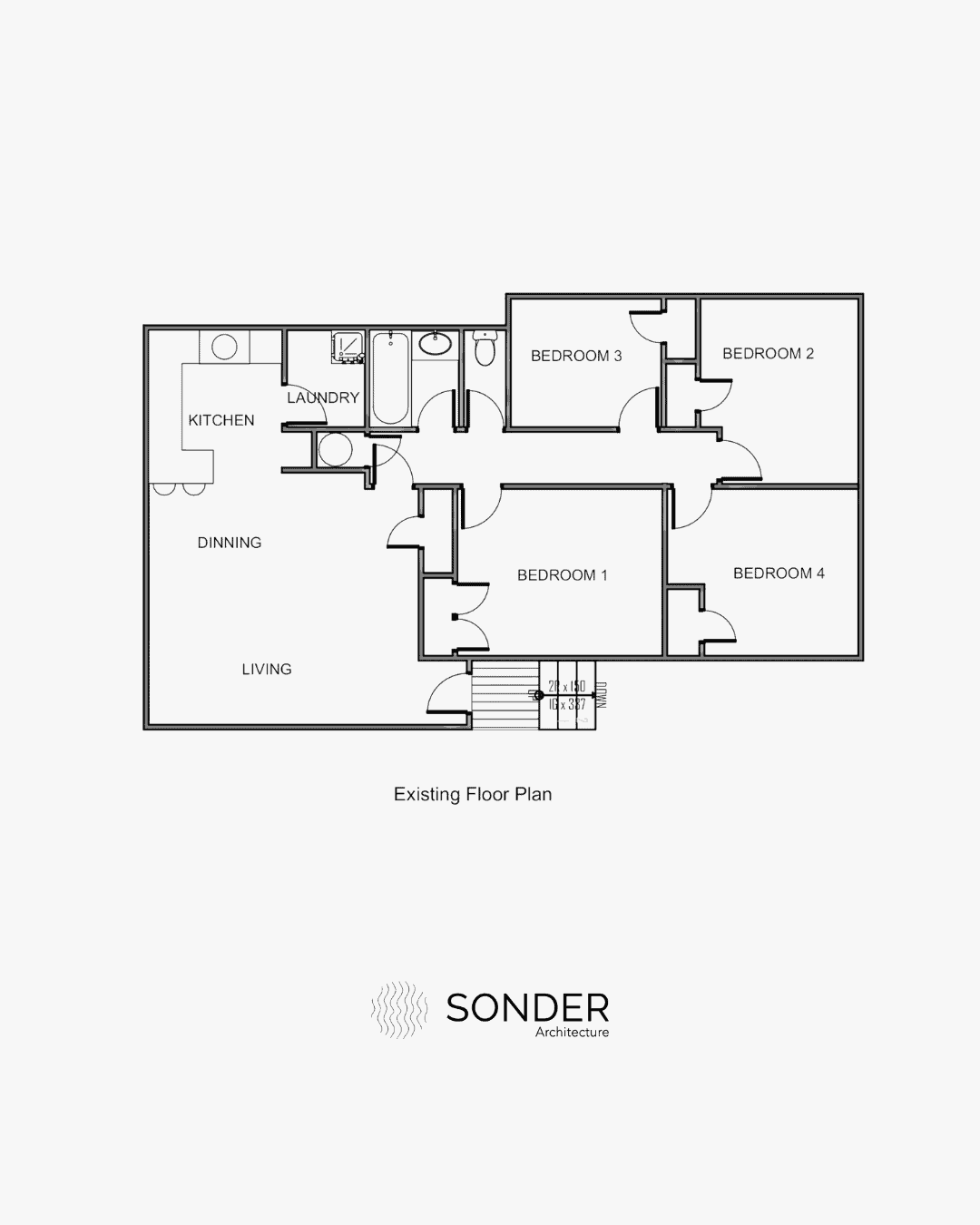 Existing
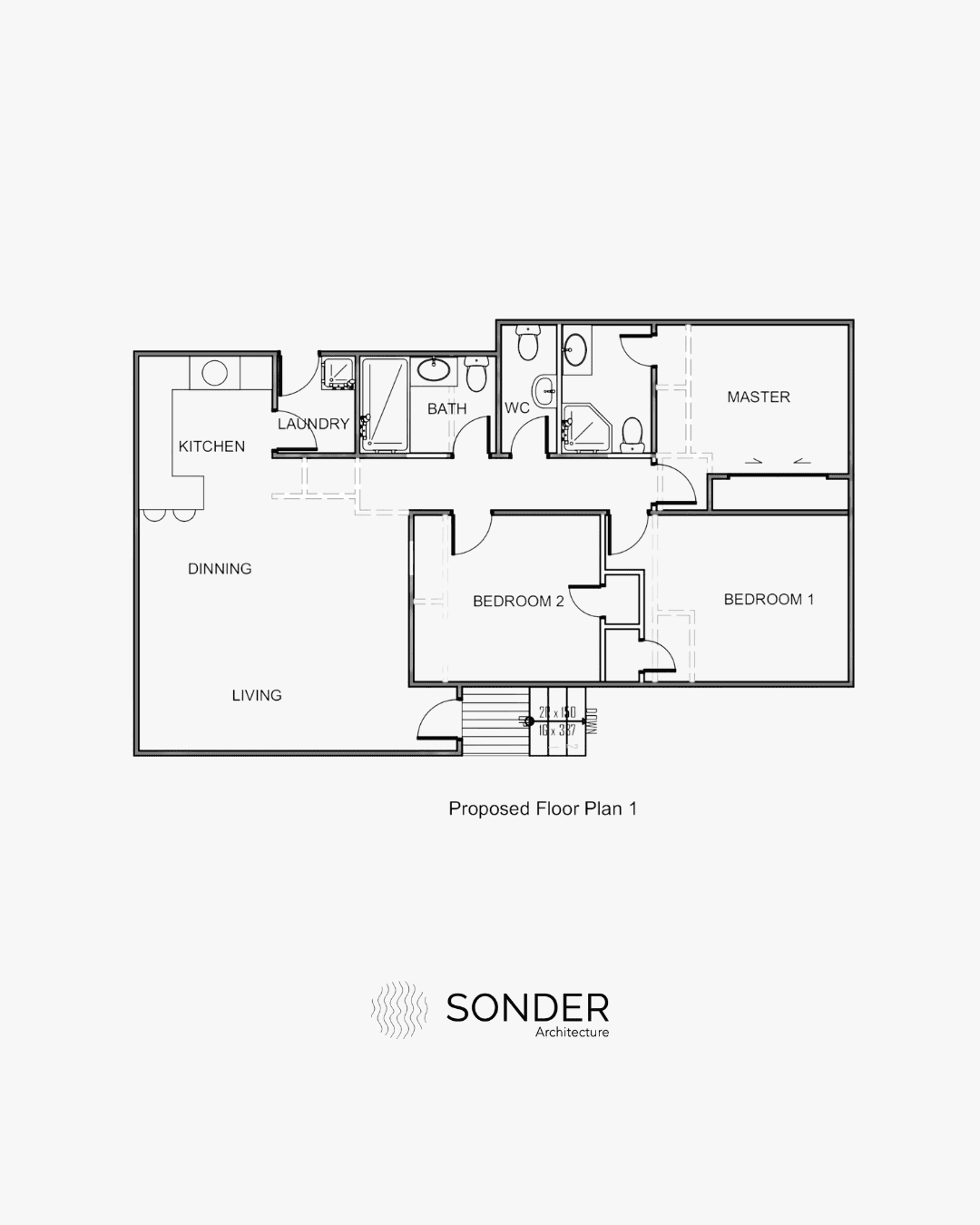 Proposed
A designer who knows this rule designs the extension to sit inside that plane from the first sketch — often by stepping the second storey back from the boundary. A plan drawn without it in mind gets you excited about a design you can’t actually consent without a fight.
“The most expensive mistake we see isn’t a construction one — it’s a homeowner who’s paid for a design that ignores the recession plane, then has to choose between a costly resource consent or starting the drawings again. Get the rules into the design on day one and the whole project gets cheaper.”
— Sonder Architecture Team
💡 Homeowner tip: If your section slopes, that affects height in relation to boundary too. Sloping sites are common in suburbs like Titirangi and Glendowie, and they’re worth raising at the first design meeting — they change what’s possible upstairs.
Once the direction is settled, the question becomes who does the design and consent work — and whether you genuinely need a designer at all.
Do You Need an Architect or an Architectural Designer for a House Extension?
For nearly every Auckland house extension you don’t need a registered architect — you need someone LBP Design Class licensed to prepare and sign off the consent documentation. Getting that person involved early is what keeps your budget under control.
Plenty of homeowners assume the builder handles the plans. Some builders do have an in-house designer, but the work of producing consent-ready drawings for structural work is restricted, and it pays to understand why.
Architect, architectural designer, or draughtsman — what’s the difference?
The titles get muddled, and the difference costs real money, so here’s the plain version. An architect is someone registered with the New Zealand Registered Architects Board — it’s a legally protected title, and it usually comes with a higher fee. An architectural designer like our team works to the LBP Design Class standard and can produce and sign the consent documentation for residential work, including the structural elements. A draughtsman draws plans but may not hold the licence to take responsibility for restricted work.
For most Auckland house extensions, an LBP Design Class designer covers exactly what you need — the same consent-ready, council-accepted documentation, without the premium a registered architect’s title carries. There are projects where a registered architect earns that premium, but a standard residential extension usually isn’t one of them. If you want the full comparison, we’ve laid it out in our guide to architect vs designer vs builder.
What “Restricted Building Work” actually means for you
The structural and weathertightness parts of your extension are Restricted Building Work (RBW) — work that legally has to be carried out or supervised by a Licensed Building Practitioner. The design of that work needs an LBP in the Design Class. At Sonder, that design is carried out or supervised by a Licensed Building Practitioner (Design Class) on our team, which means we can design the structural elements of your extension and provide the documentation the council requires.
There’s a practical upside to that licence beyond ticking a legal box. A well-prepared consent application gets fewer Requests for Information (RFIs) from the council — those back-and-forth queries that stall your timeline and quietly add to your processing fees. An application that’s right the first time is faster and cheaper, full stop.
💡 Homeowner tip: Ask anyone quoting your extension one direct question: “Are you LBP Design Class licensed, and will you provide a Record of Work?” A Record of Work proves the restricted work was properly designed — and it helps later with resale and insurance. A vague answer tells you a lot.
Why early involvement saves money
Design and consent documentation typically runs around 8–12% of the build cost. It can feel like a line item to minimise. It isn’t. The designer is the person who catches the height-in-relation-to-boundary problem before it’s drawn, scopes the brief so the build doesn’t balloon with mid-project changes, and assembles the application so the council processes it cleanly. Money spent there is money that stops your build cost running away from you.
That’s also the thinking behind how open-plan extensions get planned, because they so often involve removing a wall — which has its own consent path.
What the Design and Consent Work Costs — and How the Process Runs
Design and consent for an Auckland extension runs on two clocks and two budgets: the design fees you pay your designer, and the consent fees you pay the council. Neither is the build cost, and knowing the split upfront stops the sticker shock later.
We’ll be straight with you — the design and consent process takes longer than most people expect. Knowing that going in is what lets you plan your timeline and budget properly instead of being caught out.
The design and consent costs, roughly
Here’s an honest picture of the design-side costs for a standard residential extension. These are separate from the construction quote, and separate from build cost per square metre, which sits with our build partner Superior Renovations.
| Cost item | Typical range (NZD) | What it covers |
|---|---|---|
| Design & consent documentation | 8–12% of build cost | Concept, developed design, full plans and specifications for consent |
| Building consent fee (council) | $3,000–$8,000+ | Auckland Council processing a standard residential extension |
| Resource consent (if needed) | $1,000–$5,000+ | Added when the design breaches a Unitary Plan rule; more if notified |
| Engineering / specialist reports | Varies | Structural engineer for a second storey, geotech on some sites |
Figures are indicative ranges based on Auckland Council’s published fee schedule and typical residential projects; your actual costs depend on scope, complexity, and whether resource consent or a notified application comes into it. For the build cost itself, see Superior Renovations’ Auckland house extension cost guide.
Important: Auckland Council’s statutory target for a building consent is 20 working days, but through 2025–26 residential consents have been running closer to 30 working days in practice, and the clock pauses whenever the council issues a Request for Information. Confirm current timeframes and fees on the Auckland Council site and build a realistic buffer into your plans.
How the process actually runs, stage by stage
Everything starts with what you’re actually solving for. Not “we want an extension” but “we need a fourth bedroom, a kitchen we can all use, and a connection to the garden, on a budget of X.” We pair that brief with a look at your section, your zone, and the planning rules that apply, so the design starts from what’s genuinely possible. That’s what the feasibility report covers — a first read on whether your idea works before you’re committed to anything.
From the brief we move to concept sketches, then developed design, which adds cross-sections, the structural approach, and materials. For an open-plan brief this is often where wall removal gets designed in. If your extension means taking out a structural wall, our guide to the consent process for removing an internal wall explains how that’s handled. Then comes the consent documentation and lodgement — the full plans the council needs, coordinated with any engineering reports, lodged with Auckland Council with the resource consent managed alongside if your design needs one.
Handover to the build
With consent granted, you’ve got a set of plans a builder can price accurately and build from. This is the point where design hands over to construction. If you’d rather keep design and build under one roof, that’s the model we share with our build partner Superior Renovations — design through Sonder, execution through their team, which removes a lot of the coordination gaps that slow projects down. You can see the kind of work that comes out the other end on our projects page.
For the wider picture on architectural renovation costs and ideas across Auckland, our overview on architectural renovation in Auckland sits alongside this guide, and our full renovations and extensions service covers how we work end to end.
Getting Your Auckland House Extension Right From the Start
The homeowners who have the smoothest extensions aren’t the ones who found the cheapest per-square-metre rate. They’re the ones who got the design and consent decisions right before anyone picked up a hammer — the right consent pathway, a design that respects the boundary rules, a brief tight enough that the build didn’t drift.
That’s the part Sonder Architecture handles for Auckland homeowners every day. We work out what your section and your zone allow, design an extension that consents cleanly, and prepare the documentation that keeps Auckland Council moving. From our studio at 16 Link Drive, Wairau Valley, we’ve taken extensions through council across the city — and the free feasibility report is the lowest-friction way to find out what’s possible on your place.
Not sure whether your extension needs resource consent, or which direction to build? That’s exactly the conversation worth having before you spend a dollar on construction.
➡ Book a free consultation with Sonder Architecture
➡ Request your free feasibility report
➡ Explore our renovations and extensions service
Do I need an architect or an architectural designer for a house extension in Auckland?
For nearly every Auckland house extension you don't need a registered architect. You need someone LBP Design Class licensed, which an architectural designer holds. The structural and weathertightness parts of an extension are Restricted Building Work that must be designed by an LBP in the Design Class. An architect is a protected title registered with the NZ Registered Architects Board and usually costs more. For a standard residential extension, an LBP Design Class designer produces the same consent-ready documentation the council needs, without the premium.
Do I need consent for a house extension in Auckland?
Almost certainly yes. Nearly every house extension in Auckland needs building consent because adding floor area is structural work under the Building Act 2004. Many also need resource consent if the design breaches an Auckland Unitary Plan rule such as height in relation to boundary or site coverage. The genuinely consent-exempt jobs under Schedule 1 are small and detached, so a connected extension rarely qualifies. Confirm your specific requirements with a licensed designer or via building.govt.nz before you start.
What is the difference between building consent and resource consent for an extension?
A building consent is the council's permission for the construction itself, confirming your plans meet the New Zealand Building Code. A resource consent is permission to use your land in a particular way under the Auckland Unitary Plan, and it relates to planning rules rather than construction. You can need one, the other, or both. An extension can meet the Building Code perfectly and still need resource consent because it breaches a planning rule like the boundary height limit.
Should I build a single-storey or second-storey extension?
It depends on your section, your existing house, and your planning rules more than personal preference. Ground-floor extensions are simpler to build but use up land and can hit site coverage limits on tight Auckland sites. Second-storey additions preserve outdoor space and can add value, but they ask more of your existing foundations and framing and usually need structural reinforcement checked by an engineer. A designer pressure-tests your idea against what your property can actually support before you commit.
Can my existing house take a second storey?
Not always, and it's the first thing to check before you fall for the idea. Whether your home can carry a second storey comes down to the existing foundations, framing and bracing, which vary hugely between a 1920s villa and a 1970s brick-and-tile. A structural engineer needs to assess it. Sometimes reinforcing the structure costs more than the extra space is worth, and extending along the ground makes better sense. Finding that out at concept stage saves you paying for drawings you can't use.
What triggers resource consent on a house extension?
The common triggers under the Auckland Unitary Plan are height in relation to boundary, site coverage, and daylight or recession plane rules. Height in relation to boundary limits how tall you can build close to your boundary line, starting at 2.5m in Single House and Mixed Housing Suburban zones. Site coverage caps the percentage of your section you can build on. If your design breaches any of these, you need a resource consent on top of your building consent. Around a third of the projects we work on need one, and most are non-notified.
How much does a two-storey or second-storey extension cost to design and consent?
Design and consent documentation typically runs around 8 to 12 percent of the build cost, and a second storey usually adds a structural engineer's fee on top because the existing house has to carry the new load. Building consent fees from Auckland Council commonly run 3,000 to 8,000 dollars for a standard residential extension, with resource consent adding 1,000 to 5,000 dollars or more if your design needs it. These are design and consent costs only, separate from the construction quote. For per-square-metre build costs, see Superior Renovations' Auckland house extension cost guide.
How long does it take to get an extension consented in Auckland?
Auckland Council's statutory target for a building consent is 20 working days, but through 2025 and 2026 residential consents have been running closer to 30 working days in practice. That figure does not include the design phase before lodgement, and the clock pauses if the council issues a Request for Information. A clean, well-prepared application is the best way to keep close to the target. Build a realistic buffer into your overall timeline, because the full design-to-approval process takes longer than the consent clock alone.
What is height in relation to boundary?
It is an Auckland Unitary Plan rule that limits how tall you can build close to your boundary. Picture an invisible angled plane rising from your boundary line, starting at 2.5m in Single House and Mixed Housing Suburban zones and 3m in the denser zones, at a 45-degree incline. Your building has to stay underneath it. Build too high too close to the fence and you breach the rule, which tips an otherwise straightforward build into resource consent territory. A good designer builds the extension to sit inside that plane from the first sketch, often by stepping a second storey back.
Can I extend over the boundary setback?
Generally no. Yard setbacks under the Auckland Unitary Plan set minimum distances your building has to keep from the boundary, and building into that space usually triggers a resource consent. Whether it's achievable depends on your zone and the specific rule, and in some cases a resource consent application can succeed. The safest approach is to have a designer check your zone's setback rules at the concept stage so the design works within them or plans for the consent from the outset.
Does a house extension need a building consent if it's small?
Most do. Schedule 1 of the Building Act lists work exempt from building consent, but the exemptions are limited in size and value and generally apply to small, detached structures. A house extension that connects to your existing home and touches services such as plumbing or wiring almost never qualifies as exempt. If a quote tells you a connected extension needs no consent, treat that as a warning sign and get it checked by a licensed designer.
What happens if I extend without the right consent?
Building without a required consent is an offence under the Building Act 2004. Auckland Council can issue a Notice to Fix, which may require you to obtain consent retrospectively through a Certificate of Acceptance, harder and more expensive than consenting upfront, or to remove the work. Unconsented work also causes problems at resale and with insurance. Getting the consent pathway right at the design stage is far cheaper than fixing an unconsented extension later.